


Short answer: choose Hunza if you want a more compact private journey built around villages, forts, Upper Hunza scenery and easier pacing. Choose Skardu if you want broader Baltistan landscapes, longer scenic drives, Shigar and Khaplu heritage, and seasonal access toward Deosai. If you have about eight days or more, combining both is often better than treating them as substitutes.
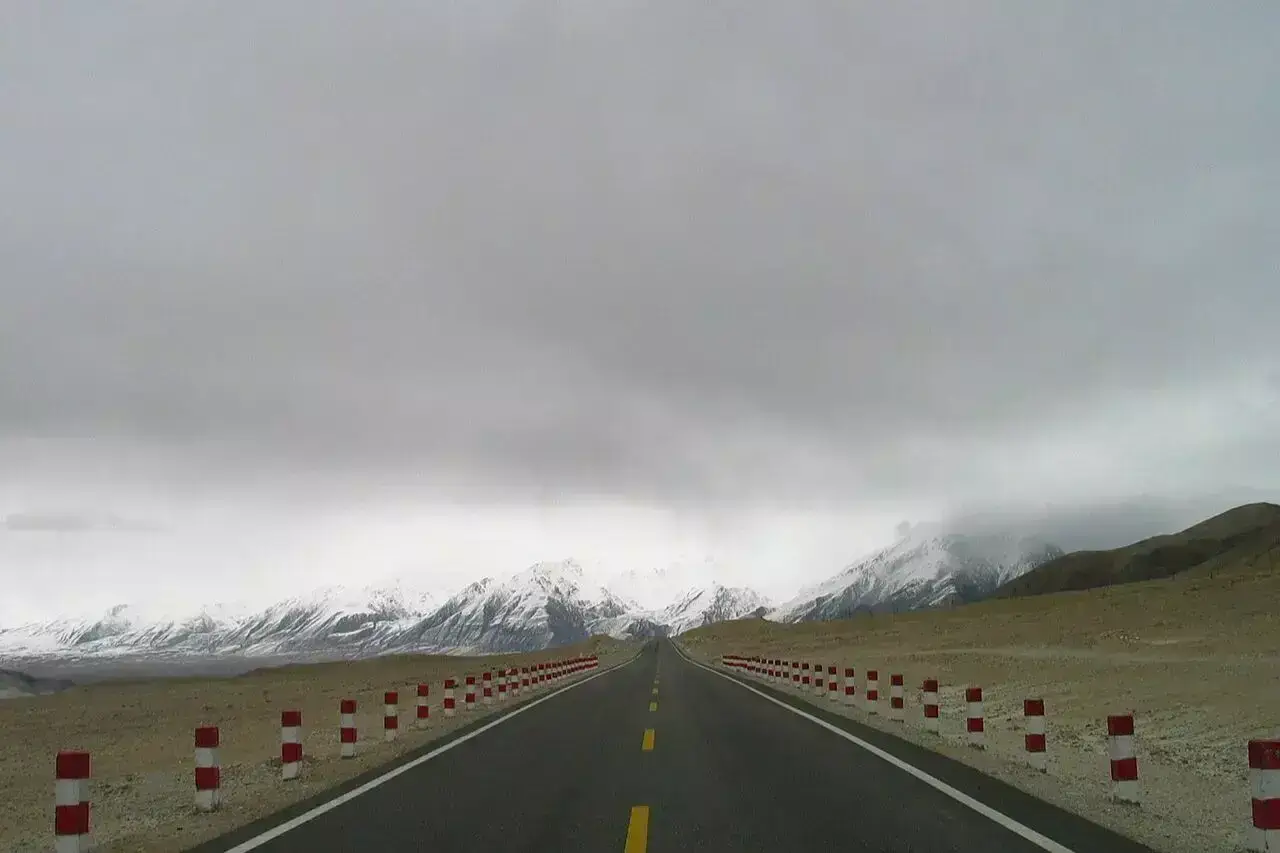
Hunza vs Skardu at a glance
| Travel priority | Hunza | Skardu |
|---|---|---|
| Short first trip | Usually easier to pace | Better with more days |
| Village and heritage time | Very strong | Strong in Shigar and Khaplu |
| Wide landscapes and long day trips | Strong | Exceptional |
| Family-friendly pacing | Often simpler | Best with fewer long driving days |
| High-altitude seasonal access | Khunjerab and upper routes depend on season | Deosai and high routes depend heavily on season |
| Best for 4 days | Yes | Possible but selective |
| Best for 5–7 days | Excellent | Excellent |
Choose Hunza if you want a compact, varied private journey
Hunza works especially well for travelers who want strong scenery without spending every day on long excursions. Karimabad, Baltit Fort, Altit, Ganish and Duikar sit within a relatively compact central area, while Attabad Lake, Gulmit, Hussaini, Borith and Passu extend the journey into Upper Hunza.
The official Gilgit-Baltistan tourism department describes Hunza as a district rich in cultural heritage, including Altit and Baltit forts, historic settlements and the Sacred Rocks of Hunza, alongside major mountain scenery. That mix of heritage, village life and landscape is why Hunza can feel complete even on a shorter itinerary.
For most first-time private travelers, four days is enough for a focused Central and Upper Hunza journey. Six days gives much more room for local food, short hikes, Nagar, slower village time and seasonal flexibility.
Choose Skardu if scale and Baltistan are the priority
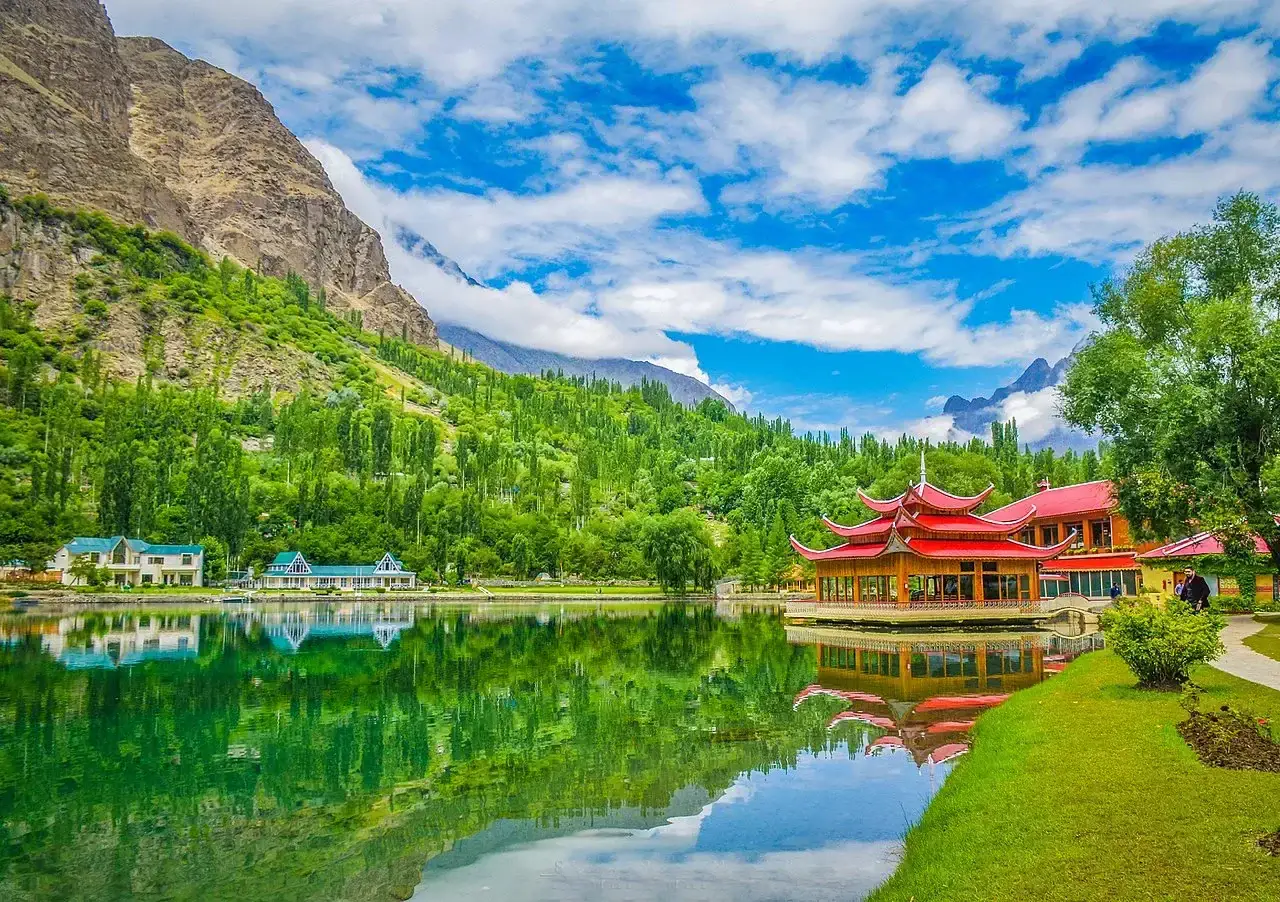
Skardu is not just one destination; it is the gateway to a much wider Baltistan circuit. A well-paced private journey can combine Kachura and Soq Valley, Katpana, Shigar, Sarfaranga, Khaplu, Chaqchan Mosque, Manthokha Waterfall, Sadpara and, in the right season, Deosai and Sheosar Lake.
That wider geography is both Skardu’s strength and the reason rushed itineraries feel weaker. Three days can work for selected nearby highlights, but five to seven days is far better if you want Shigar, Khaplu and seasonal high-altitude areas without turning the trip into a driving checklist.
Which is better for families?
Hunza is often the easier first choice for families because several major experiences can be combined without very long days. Central Hunza can be explored at a gentler pace, and Upper Hunza can be added as a separate full day.
Skardu can also work extremely well for families, but the itinerary should be designed differently. Instead of trying to fit every famous place into a few days, it is usually better to choose fewer long excursions, spend more time around Skardu, Kachura and Shigar, and add Khaplu or Deosai only when the age, comfort and season make sense.
Which is better in autumn?
Both regions can be excellent in autumn, but the experience is different. Hunza is especially strong when the aim is village-and-orchard color, photography and a slower private route through Central and Upper Hunza. Skardu and wider Baltistan can also produce strong autumn scenery, particularly around settlements, valleys and heritage areas, but conditions vary by altitude and location.
For autumn travel, exact color timing should never be sold as a guaranteed date. Temperature, altitude and local conditions shift from year to year, so we plan around the likely seasonal window and keep the route flexible.
What about Deosai?
Deosai should be treated as a seasonal high-altitude excursion, not a year-round inclusion. Official Gilgit-Baltistan tourism guidance notes that summer is the main period when roads in the region are generally open and easier to travel, while winter snowfall can block access. The tourism department also advises travelers to check road and weather conditions before travel.
That is why Sylana does not promise Deosai simply because it appears in a package name. We confirm access around the actual travel dates and adjust the itinerary if conditions make the plateau impractical.
Road or flight?
Both Hunza and Skardu can be reached as part of overland journeys, while air access can shorten the trip. Skardu flights can be weather-sensitive, and official regional guidance also notes that northern flights are subject to weather conditions. For private itineraries that depend on air travel, sensible contingency time matters.
Overland travel gives more control over timing and adds scenery, but it also means longer road days. The better choice depends on total trip length, season, comfort expectations and whether the journey includes other northern regions.
Can you combine Hunza and Skardu?
Yes. For many international and long-distance domestic travelers, this is the stronger answer when enough time is available. Our 8-day Hunza & Skardu private journey connects the two regions efficiently, while the 10-day Hunza & Skardu road journey allows a more relaxed overland route with deeper exploration.
Combining them also solves the “which is better?” question: Hunza contributes compact heritage, village life and the Karakoram corridor; Skardu adds Baltistan’s broader landscapes, Shigar and Khaplu heritage, and seasonal access to high-altitude terrain.
How Sylana decides between the two
We do not recommend Hunza or Skardu simply because one is trending. We look at the traveler’s available days, month of travel, age and mobility, appetite for long drives, hotel expectations, whether flights are being used, and the experiences that matter most.
That is the difference between a private itinerary and a copied package. The route should fit the traveler and the actual conditions, not the other way around.
Our recommendation by trip length
- 3–4 days: choose one region. Hunza is usually easier to cover at a comfortable pace; Skardu works if you keep the route selective.
- 5–7 days: either region can work very well. This is enough time to go deeper rather than just photograph landmarks.
- 8–10 days: consider combining Hunza and Skardu.
- 10+ days: combine both and add another region or experience only if it improves the journey rather than increasing road time for the sake of a longer checklist.
Explore our private Hunza tours, private Skardu tours, or use the Custom Pakistan Tour Planner if you want us to decide the route around your actual dates and priorities.
Planning references: Government of Gilgit-Baltistan Tourism Department destination and travel guidance. Road, flight and high-altitude access can change, so current conditions should always be checked close to travel.
0 Comment