

Route summary
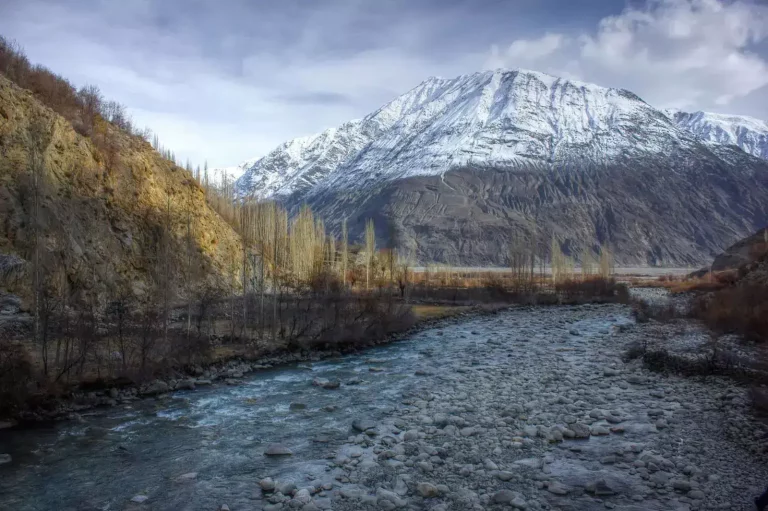
Islamabad - Swat - Chitral - Ayun - Kalash valleys - Chitral - Booni - Mastuj - Shandur Pass - Phander - Gupis/Ghizer - Gilgit - Karimabad - Upper Hunza - Islamabad
Journey highlights
- Kalash valleys and local cultural context
- Chitral heritage and mountain road travel
- Mastuj and Ghizer route
- Gilgit and Hunza valley time
- Private pacing across a long northern route
Day-by-day itinerary
Arrival in Islamabad
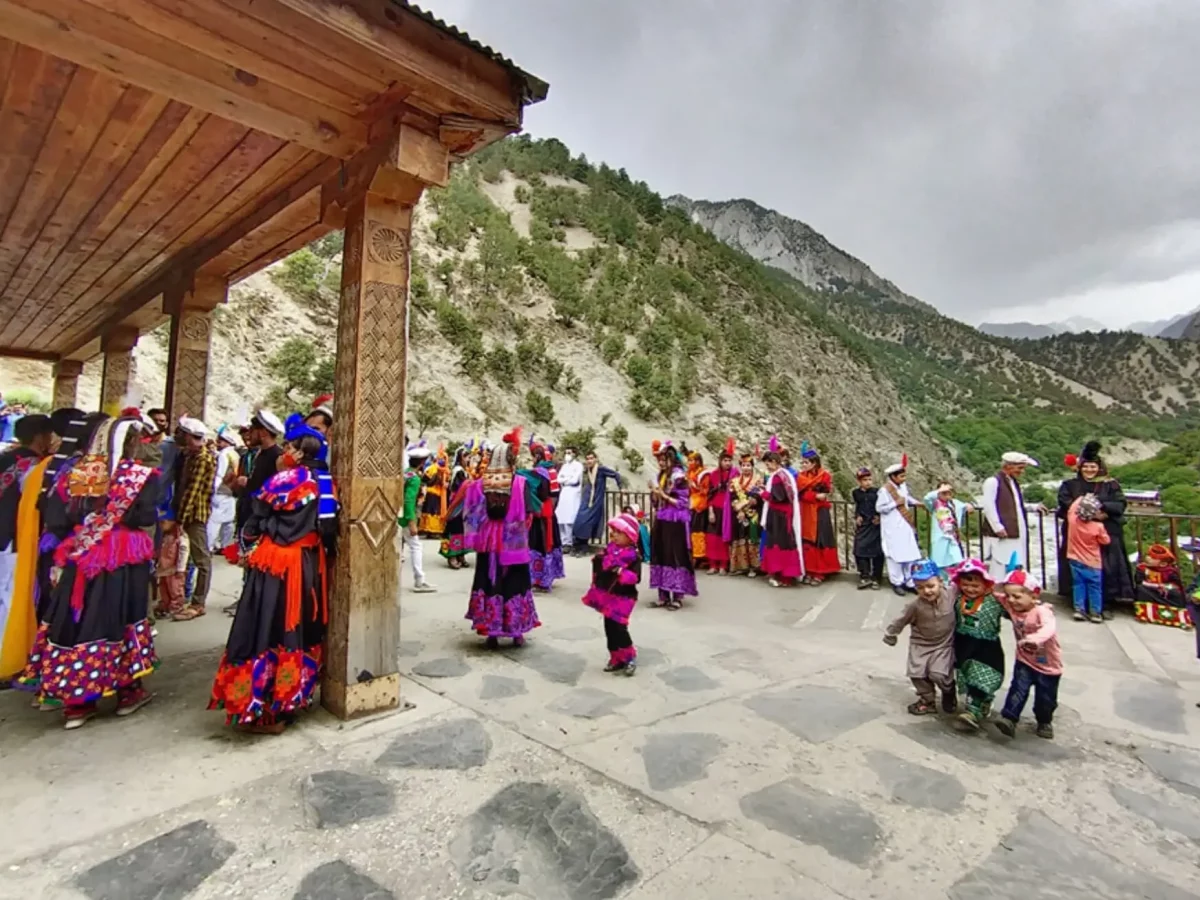
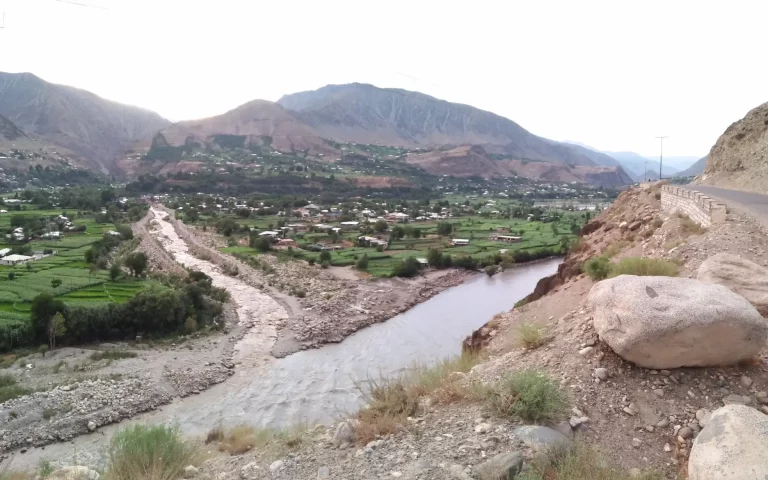
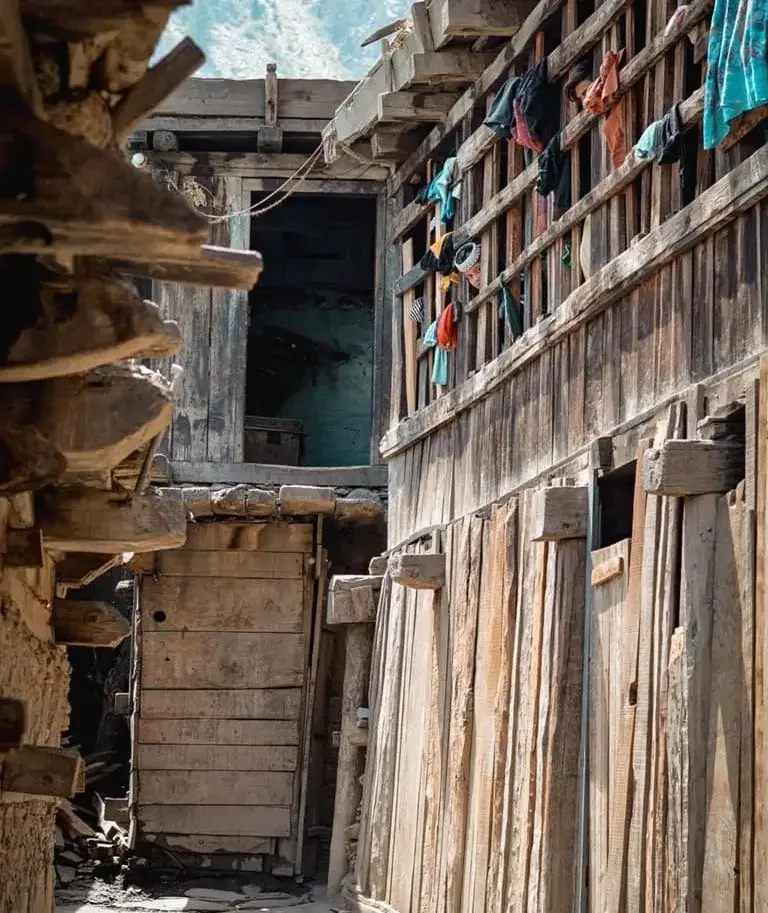
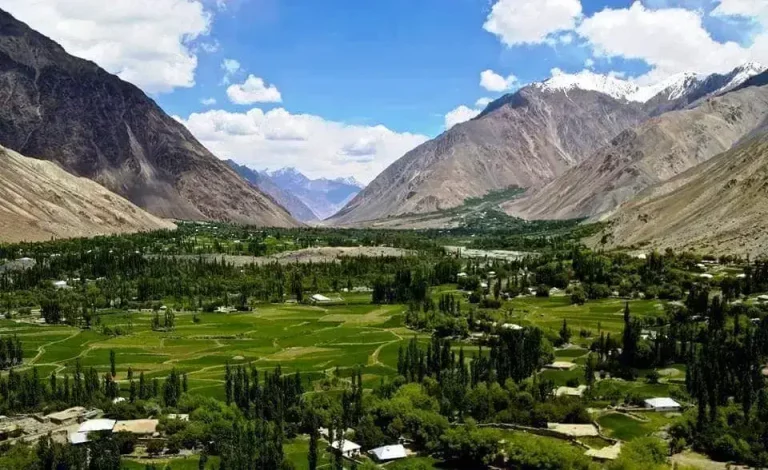
Arrive in Islamabad and transfer privately to the hotel. Meet the Sylana team for a route briefing focused on the long overland journey, current pass conditions and cultural etiquette for the Kalash valleys. Keep the day light after international travel, with city activity added only when arrival time and energy genuinely support it. Day 2|Islamabad to Swat|Travel north toward Swat with a private vehicle and practical rest stops. The day introduces the transition from the plains into the mountain valleys without overloading the transfer with distant attractions. Arrive with time to settle in, review the next road sector and enjoy a relaxed evening before continuing toward the Hindu Kush. Day 3|Swat to Chitral and Ayun|Continue toward Chitral using the confirmed seasonal road. Mountain travel times can vary, so the programme protects daylight and comfort rather than promising a fixed list of roadside stops. Reach the Chitral or Ayun area, where the landscape and architecture begin to shift toward the Hindu Kush cultural world that defines the next stage. Day 4|Into the Kalash Valleys|Travel into the Kalash valleys with a local cultural context briefing before exploration. Settle into the chosen valley and spend the remainder of the day walking at a village pace, learning how settlement, agriculture, belief and seasonal rhythms shape daily life. Photography is approached respectfully, with permission and human interaction taking priority over staged images. Day 5|Kalash - A Full Cultural Day|Keep a full day in the Kalash region rather than reducing it to a short excursion. The programme follows the valley, season and community context: village walks, architecture, local stories and, when genuinely appropriate, cultural activity. Sylana does not promise private ceremonies or performances; meaningful encounters are arranged only when natural and locally welcomed. Day 6|Kalash to Chitral|Return toward Chitral for a different perspective on the region. Explore selected heritage and town life at an unhurried pace, with time to prepare for the remote northern crossing. The guide connects Chitral history and languages with the valleys already visited, so this day provides cultural context rather than another collection of monuments. Day 7|Chitral to Booni and Mastuj|Follow the road north through Upper Chitral toward Booni and Mastuj. The journey becomes increasingly remote, with river valleys and high peaks replacing the busier Chitral corridor. Stops are chosen for landscape, local life and comfort. Overnight positioning follows the confirmed road plan so the Shandur crossing is approached with appropriate daylight. Day 8|Across Shandur to Phander|Cross Shandur Pass only when current road, snow and weather conditions support the route. The high plateau is experienced as a landscape and cultural corridor, not merely a polo-ground photo stop. Descend into Ghizer and continue toward Phander, whose broad river valley, villages and changing light reward a slower arrival without additional driving. Day 9|Phander and Ghizer Valley|Spend a deliberately slower day around Phander and the Ghizer landscape. Walk through village areas, follow the river and allow time for photography, local food or a confirmed community interaction. Ghizer is not treated as a transfer corridor between Chitral and Hunza but as one of the journey principal regions. Day 10|Ghizer to Gilgit|Continue through Gupis and the changing Ghizer valleys toward Gilgit. The road follows a long cultural and trading corridor, with stops selected around guest interests and realistic travel time. Arrive in Gilgit for an easier evening, creating a practical pause before the final Karakoram section rather than pushing directly into Hunza after a full road day. Day 11|Gilgit to Karimabad, Hunza|Follow the Karakoram Highway toward Hunza, stopping where the landscape and local context add genuine value. Reach Karimabad and begin exploring the central valley at a relaxed pace. The transition from the Hindu Kush and Ghizer into Hunza is part of the story, showing how architecture, language and settlement patterns change across northern Pakistan. Day 12|Central Hunza - Altit, Baltit and Village Life|Explore Altit, Baltit and Karimabad with time for old lanes, irrigation channels and village history rather than rushing between forts. Continue to Duikar when weather and timing support the wider valley view. Local interpretation focuses on how trade, agriculture, community institutions and mountain geography shaped Hunza beyond the familiar postcard landmarks. Day 13|Upper Hunza - Attabad, Gulmit, Hussaini and Passu|Travel into Gojal through the Attabad landscape, continuing through Gulmit, Hussaini and Passu. Village walking, food and photography are prioritised over a long checklist. Any high-border extension is considered separately according to access, permits, season and travel time; the core day makes Upper Hunza worthwhile without depending on Khunjerab. Day 14|Hunza to Islamabad - Confirmed Return Plan|Begin the confirmed return to Islamabad using the flight or road arrangement selected for the actual departure. Mountain flights are never treated as guaranteed, and road routing follows seasonal access. Where a flight is used, a protected contingency plan is agreed before travel; where road travel is chosen, the day is paced around realistic mountain driving. Day 15|Islamabad Buffer and Departure|Use the final day as the international-departure buffer or for light Islamabad sightseeing when the flight schedule allows. This protected ending reduces the risk of linking a remote road or mountain flight directly to an international departure. Transfer privately to the airport or continue with a separately planned Pakistan extension.
Accommodation and comfort
Locally selected accommodation planned around the final route, comfort preference and seasonal road access.
Private transport and local coordination
Private ground transport and local coordination across the route, with the final plan confirmed before departure.
Who this journey is for
International cultural travellers, photographers, private couples and small groups who value village life, regional history and a slower cross-Hindu Kush journey more than a conventional Hunza-Skardu checklist.
What we usually arrange
- Private route planning
- Ground transport coordination
- Locally selected accommodation style
- Cultural and local guide support where appropriate
- Seasonal route checks before confirmation
What you can customize
- Dates and route direction
- Extra time in Kalash, Ghizer or Hunza
- Accommodation comfort level
- Private group needs
- Add-on cultural or scenic experiences
Important travel notes
The Shandur section is access-sensitive and is never guaranteed months in advance; snow, road works, weather and local conditions determine whether the overland crossing is used. If it is not suitable, Sylana redesigns the middle section before confirmation rather than improvising an unsafe crossing. Kalash visits require respectful behaviour and permission-led photography. Festival dates, community events and polo fixtures are sold only when officially confirmed. Long road sectors require flexibility, and an Islamabad buffer is built into the journey for international departures.
Frequently asked questions
Is the route private?
Yes. Transport, route pacing and local stops are planned around your group and the confirmed journey.
Can we spend extra time in one region?
Yes. Extra time can be discussed for Kalash, Ghizer or Hunza where it suits the confirmed route and available travel time.
When is the best season?
The practical season depends on road access, weather and the route you select. The final plan is confirmed around your dates.
Can the road route be adjusted?
Yes. Long mountain-road sectors are reviewed around current access, conditions and sensible daily pacing.
What is arranged before travel?
Private transport, route timing, accommodation style and the practical local coordination are confirmed in the quotation.
Related private journeys
Ready to shape this journey?
Share your preferred dates, group size and comfort level. Our team will prepare a private route and quotation around your travel style.