Known for
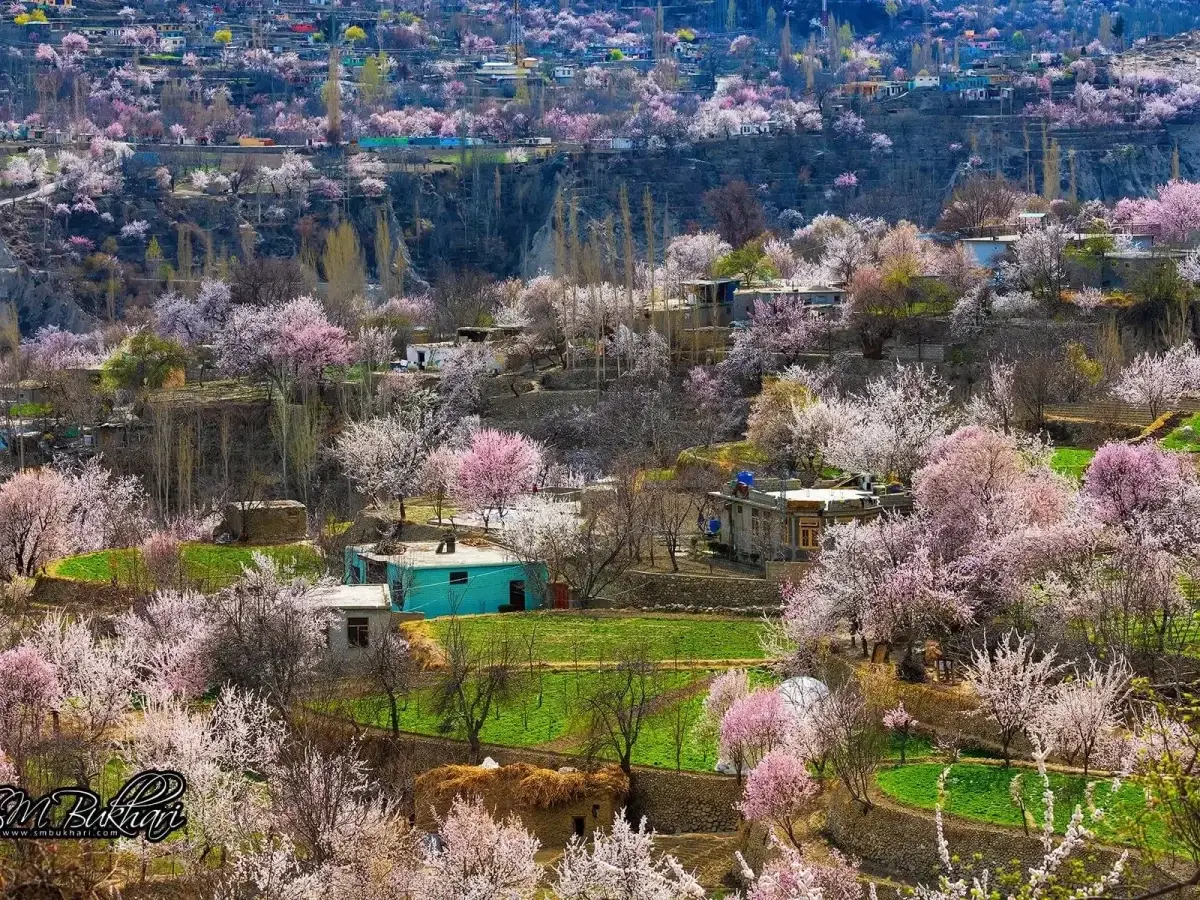
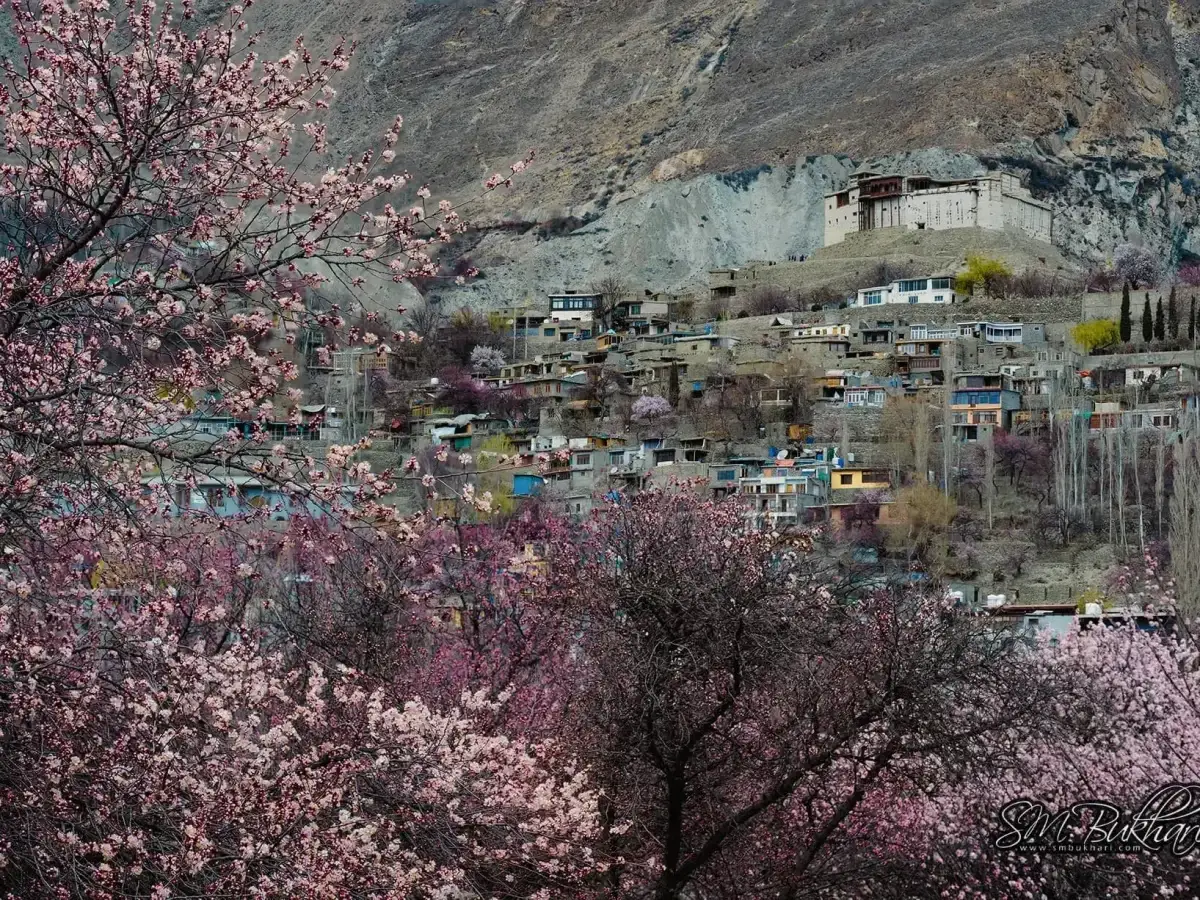
Karimabad, Baltit and Altit heritage, the Karakoram Highway, Attabad Lake, Passu and Upper Hunza.
Private Hunza Valley travel planning
A private Hunza Valley travel guide for Karimabad, Altit, Baltit, Attabad Lake, Passu and Upper Hunza route planning.
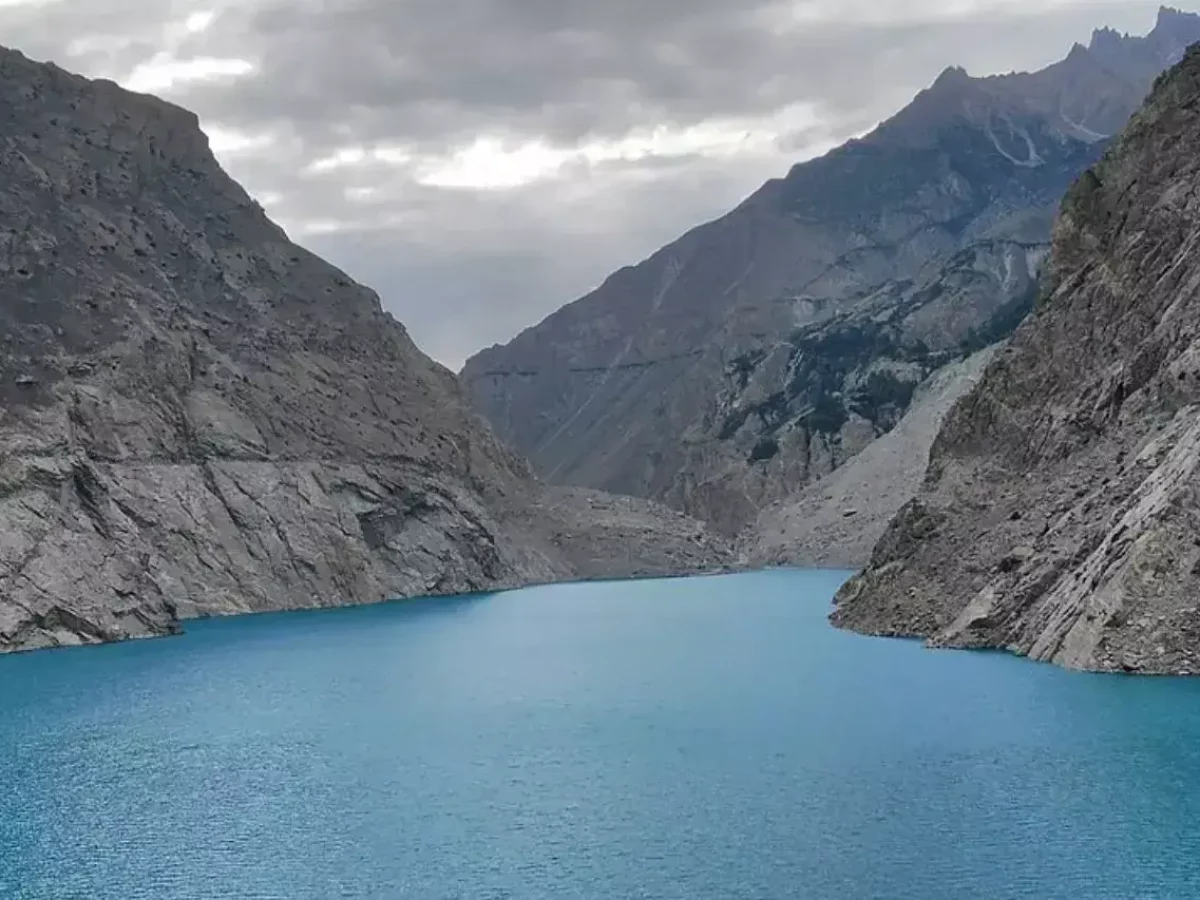
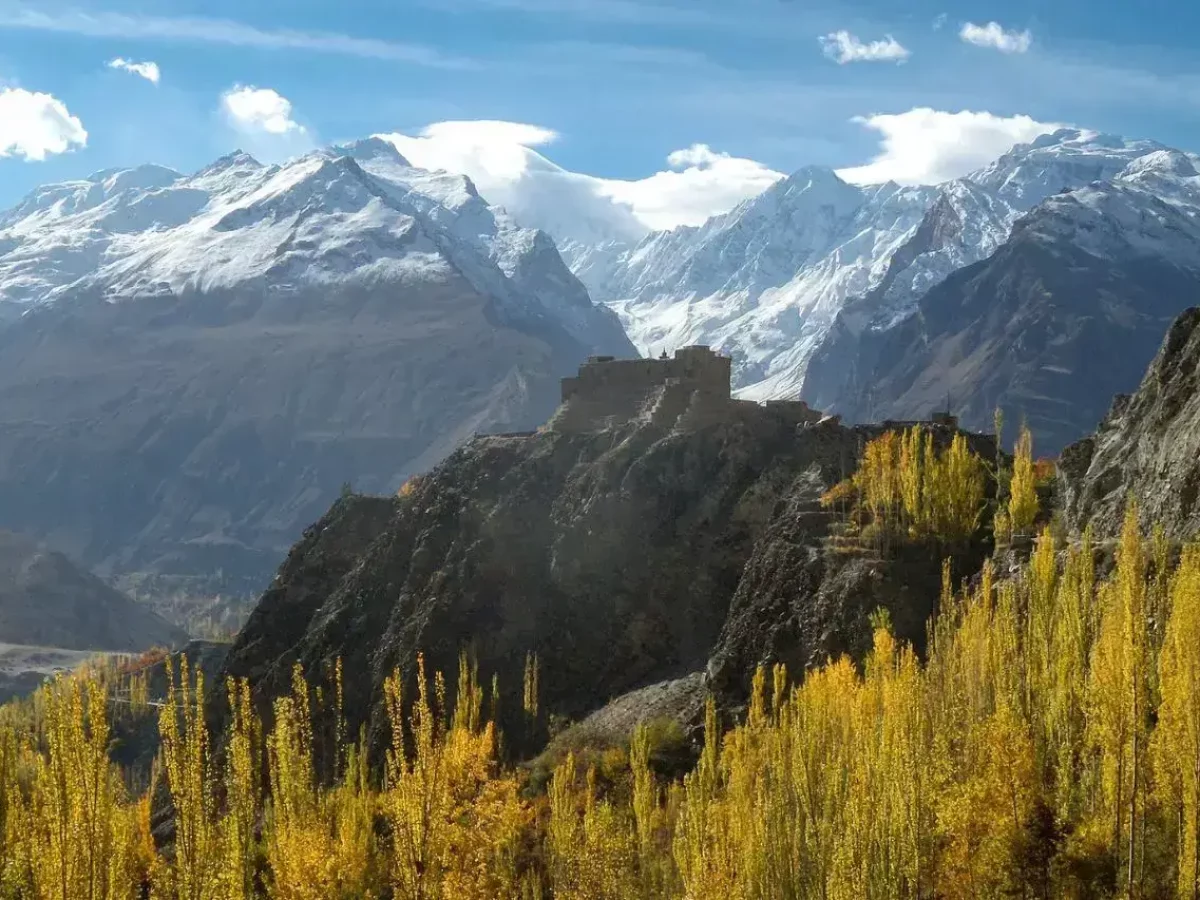
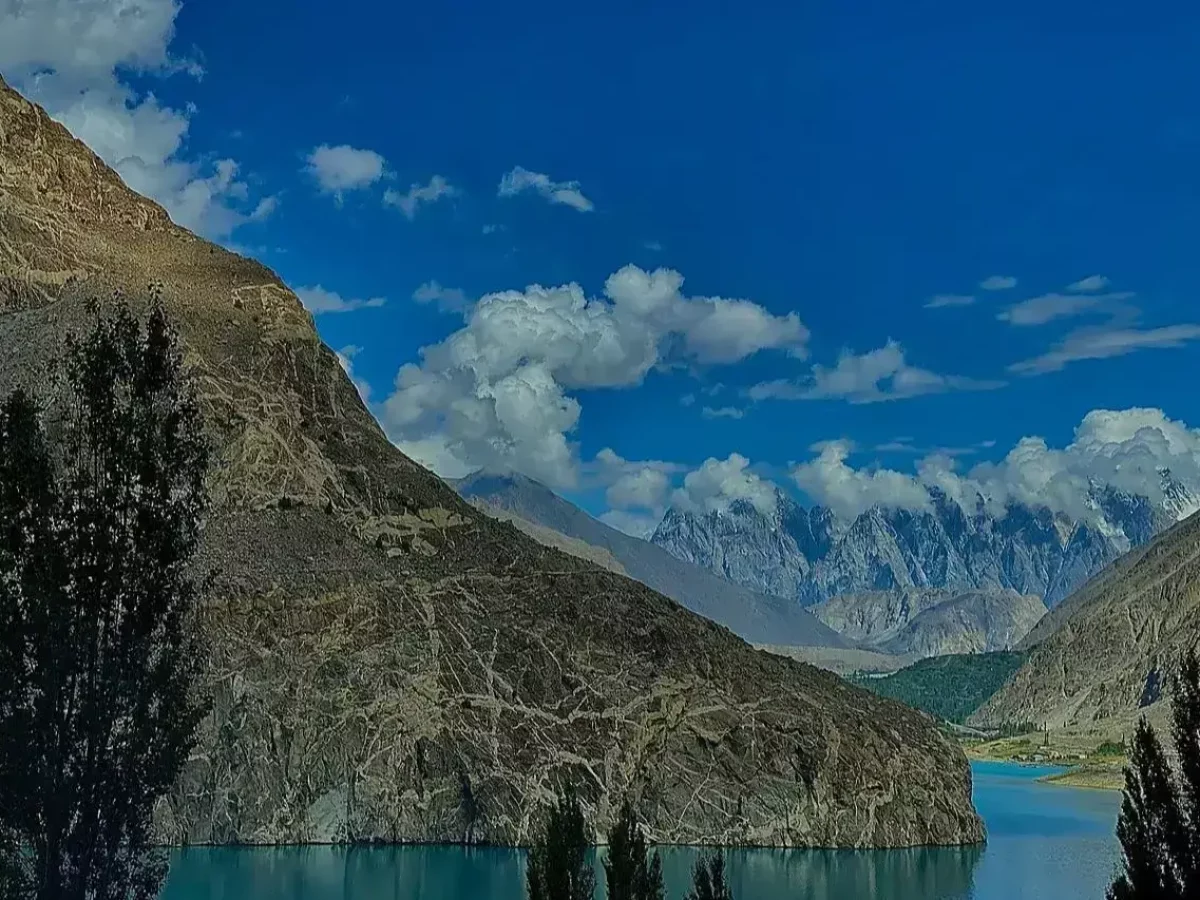
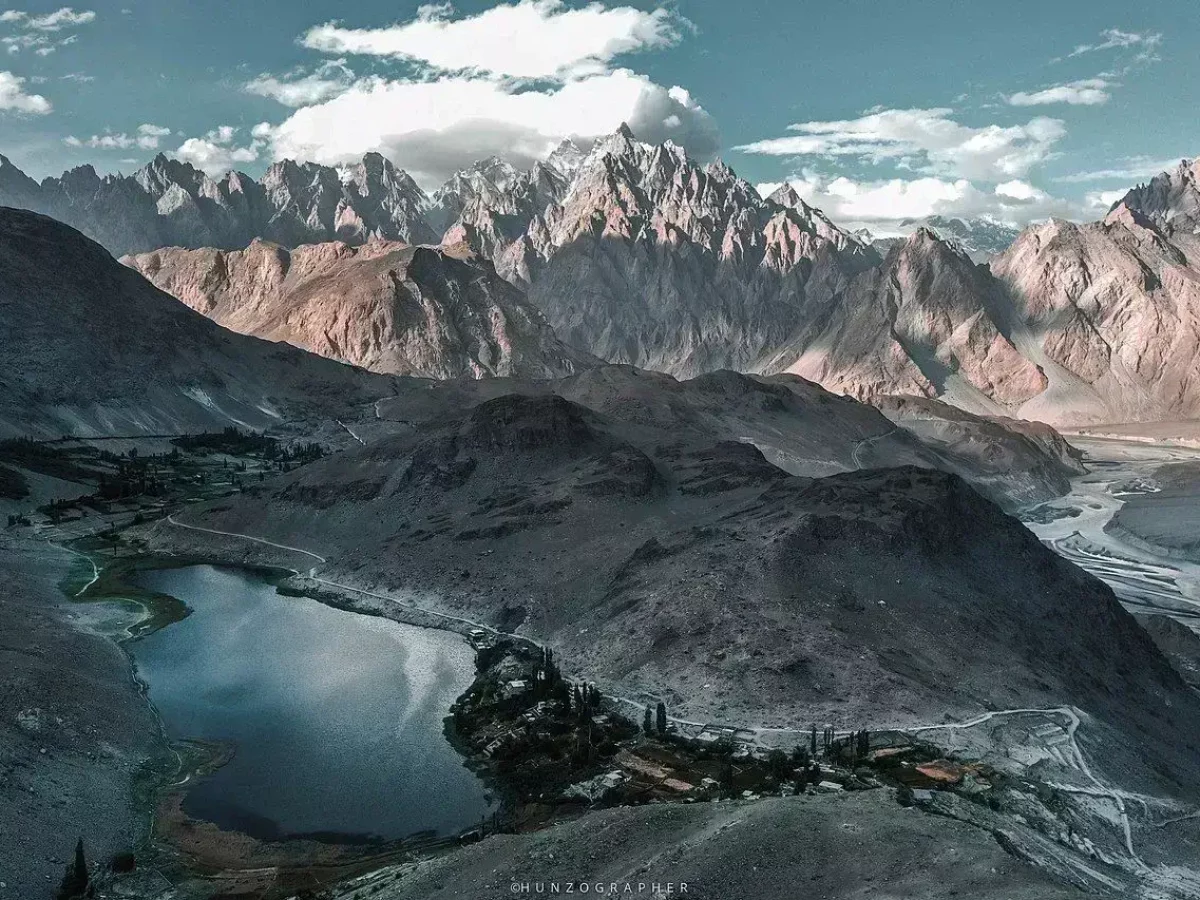
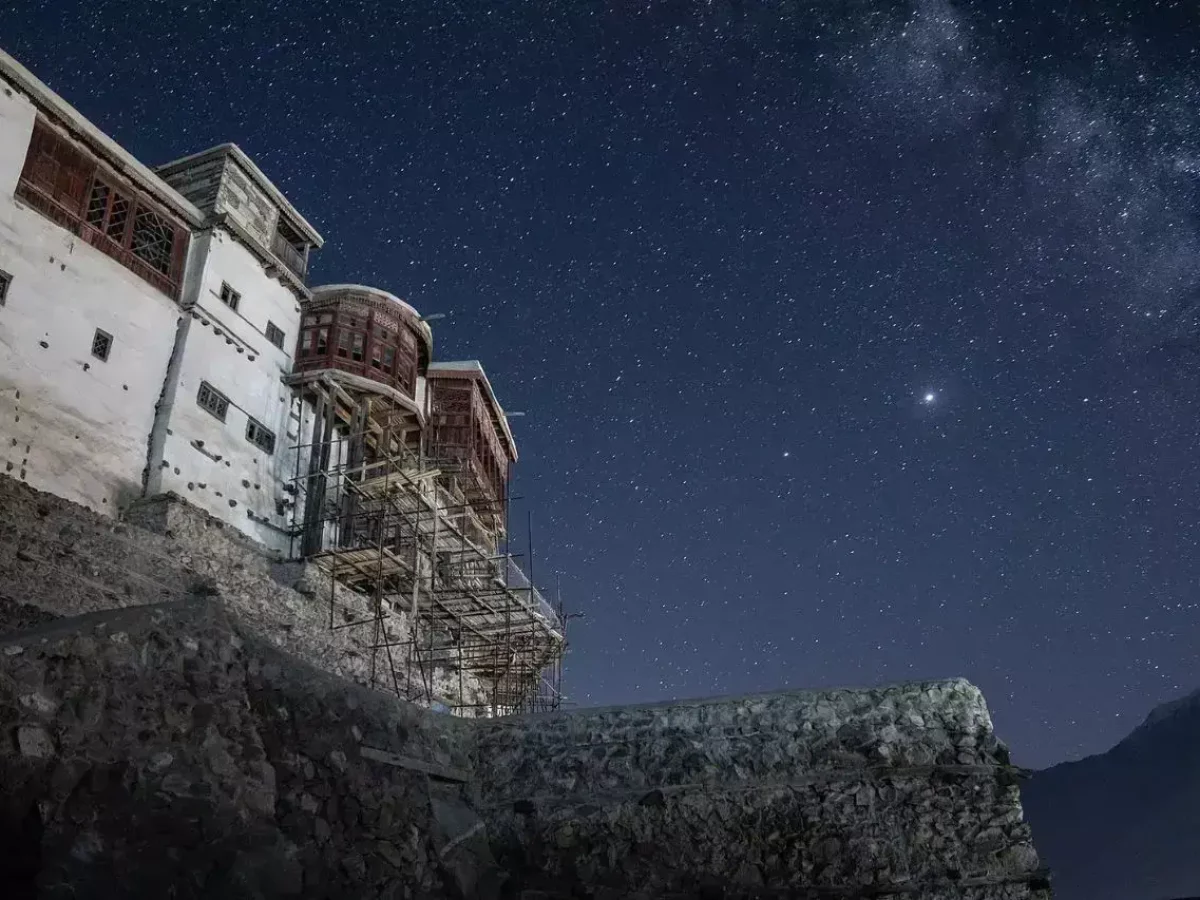
Hunza Valley is a high-mountain region in Gilgit-Baltistan, with Karimabad as its best-known visitor base. A considered private journey connects heritage settlements, the Karakoram Highway, Attabad Lake and Upper Hunza around the time you actually have, rather than treating the valley as a rushed sequence of photo stops.
Sylana plans the route around arrival logic, road conditions, chosen comfort level and the balance between Karimabad, Altit, Baltit, Attabad, Gulmit and Passu. Timing, access and local coordination are confirmed for your dates.
Places and character
Local context
Karimabad, Baltit and Altit heritage, the Karakoram Highway, Attabad Lake, Passu and Upper Hunza.
Ask for locally prepared Hunza dishes and seasonal produce through your host or guide. Menus and availability vary between villages and seasons.
Burushaski, Wakhi and Shina are widely spoken alongside Urdu; English is used in many visitor-facing settings.
Handmade textiles, embroidery and small local craft purchases are best chosen directly from makers where practical.
Walks and route ideas
A practical guide
A rare combination of living mountain culture, heritage architecture, high-valley landscapes and a route that can be shaped at an unhurried private pace.
Historic settlements sit alongside everyday village life. Slow down in Altit and Karimabad, ask before photographing people closely, and follow local advice at religious or residential sites.
Private journeys are commonly planned by road from Islamabad or through Gilgit, subject to route, weather and flight conditions for the chosen dates.
Private driver-led transport, with route-appropriate local coordination where a high-clearance vehicle or local transfer is required.
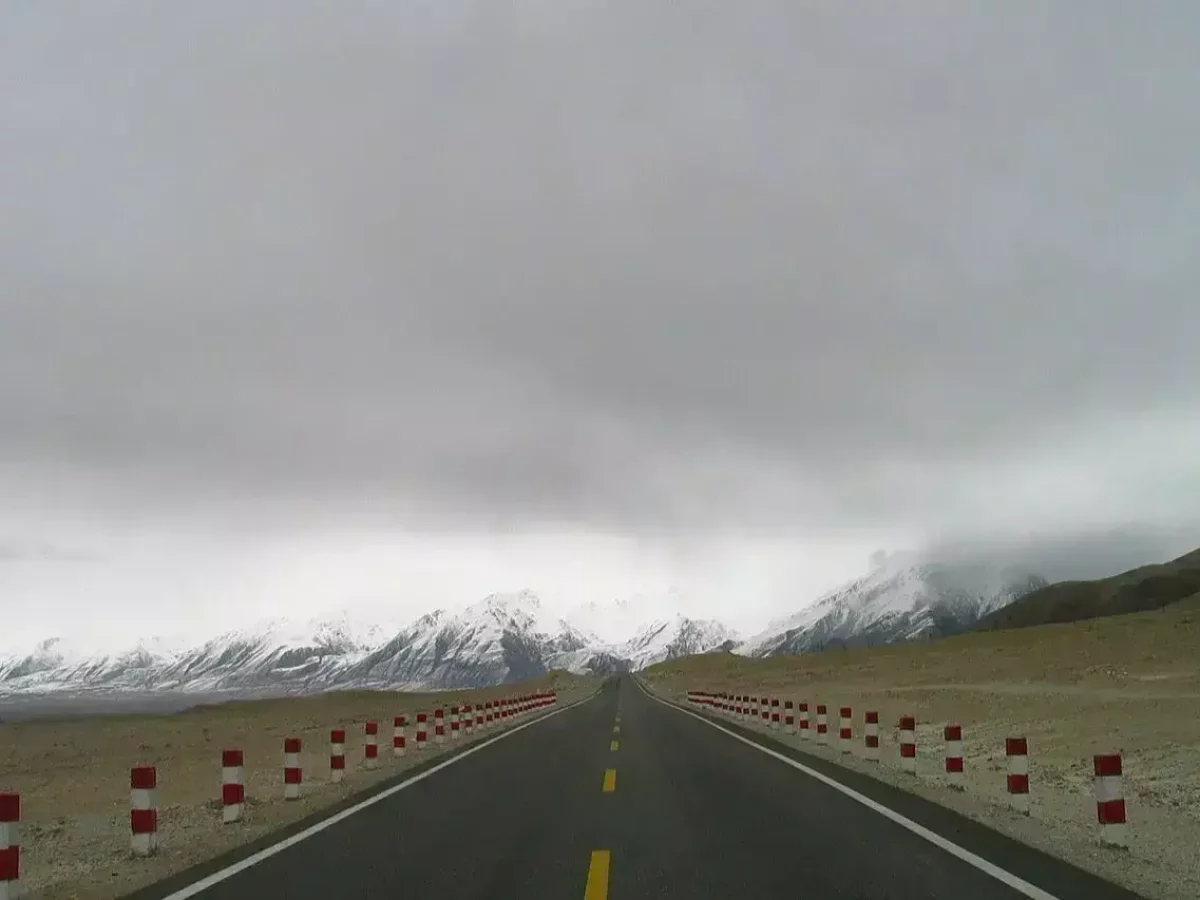
The Karakoram corridor is the principal approach. Build margin into mountain-road days; access to the upper border route can change with weather and local conditions.
Plan for strong sun, cooler evenings and changing elevation. Carry layers, keep road days flexible and do not rely on tight flight-to-road connections.
Dress with awareness of village settings, ask before close-up photography and do not enter homes, fields or religious spaces without invitation.
Hunza works well for families and solo travellers when the pace is realistic. Confirm child seats, walking tolerance, room configuration and winter road suitability in advance.
Seasonal context
Seasonal ranges are planning averages, not a forecast. Confirm current conditions and access close to travel.
Typical seasonal range
Typical day: 12 to 24°C
Typical night: 0 to 10°C
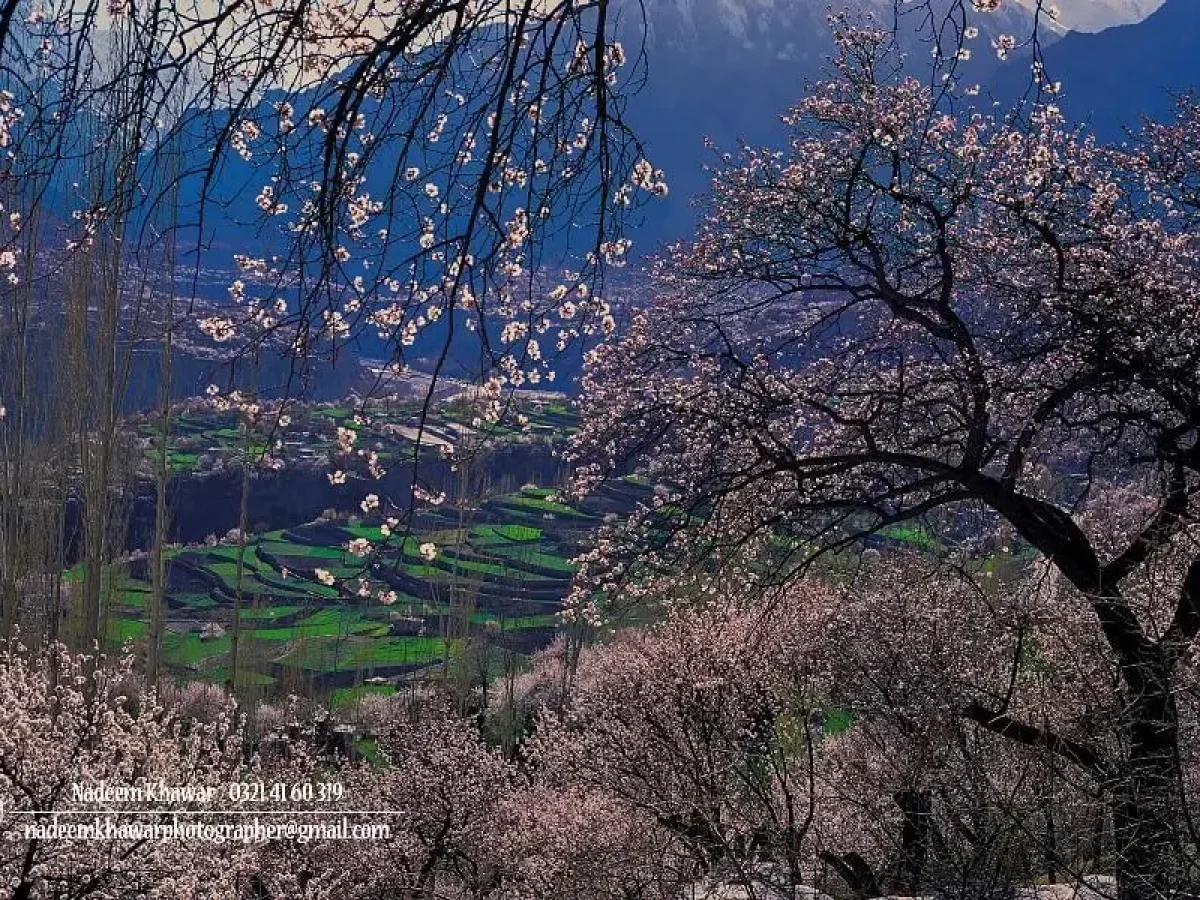
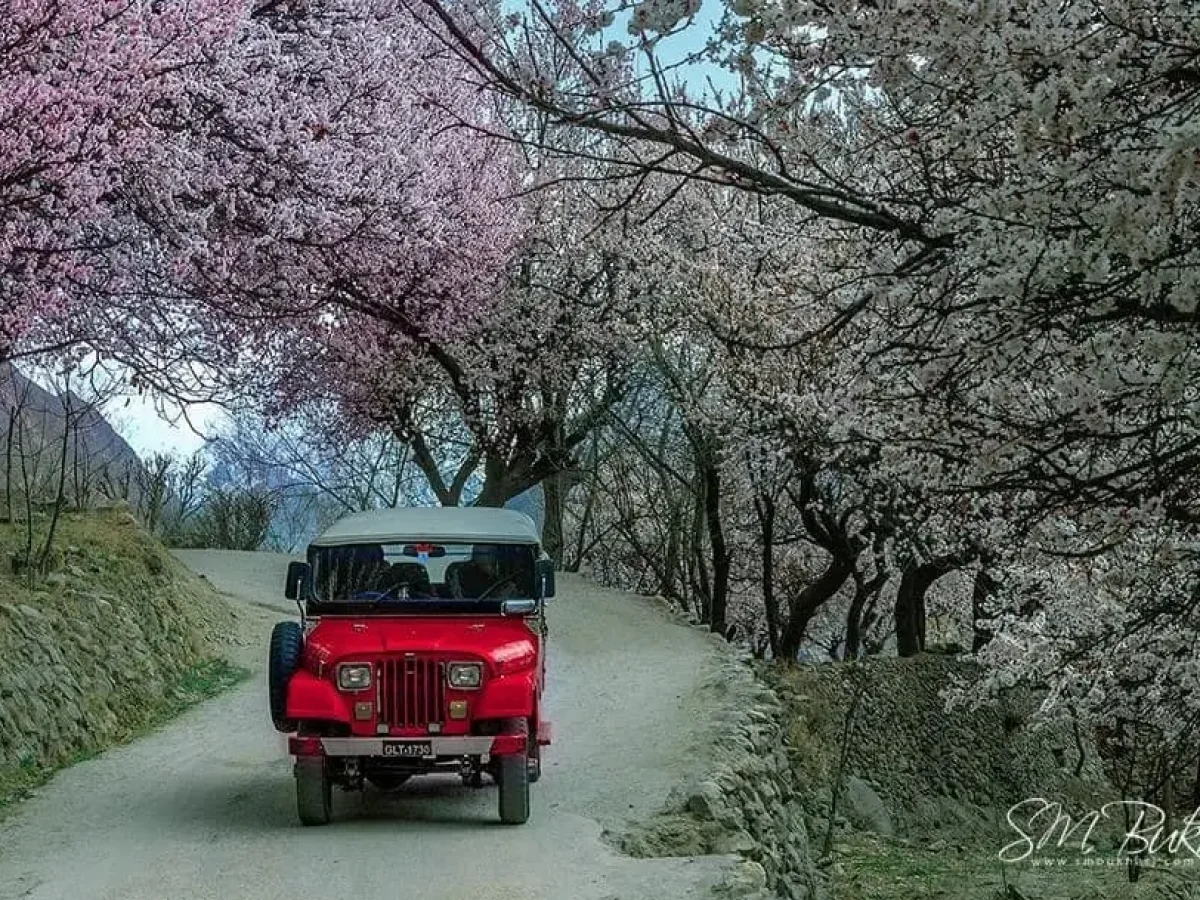
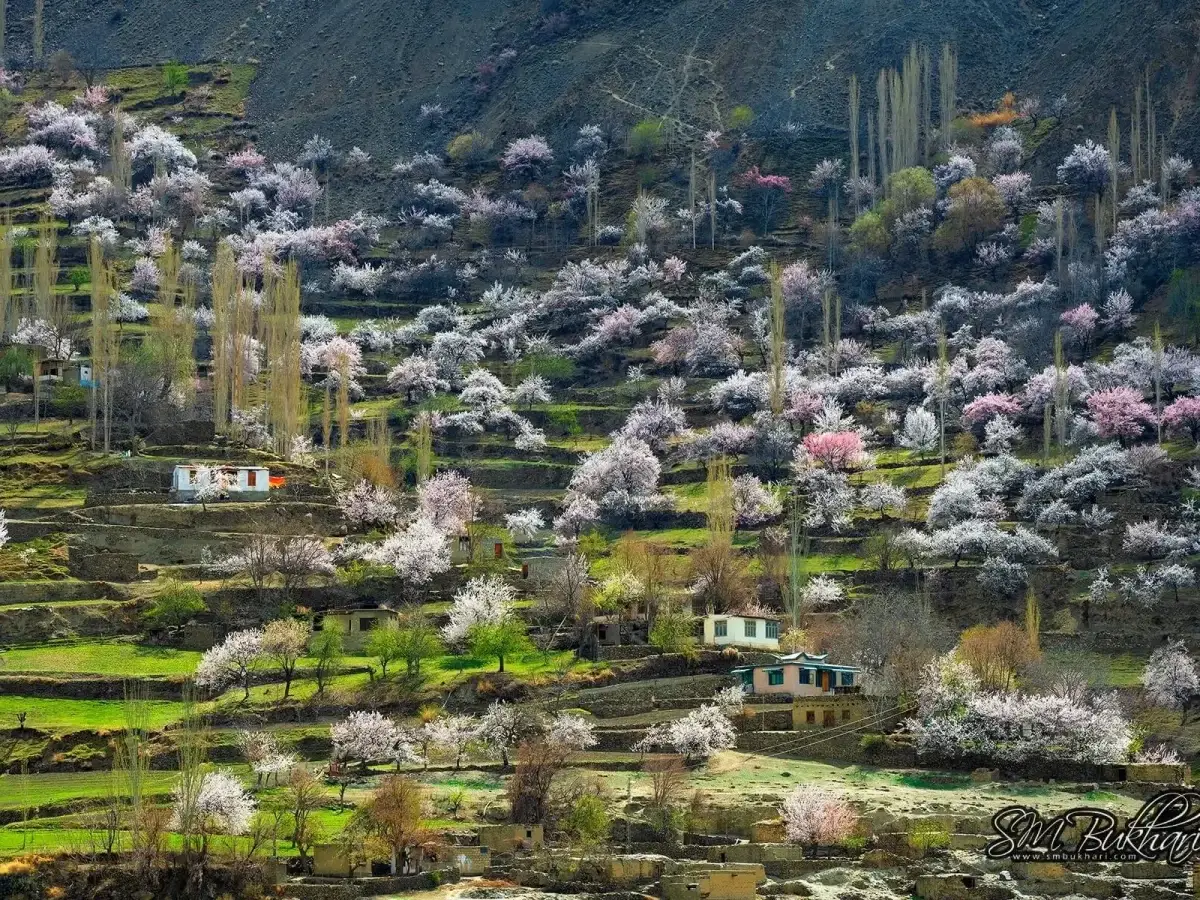
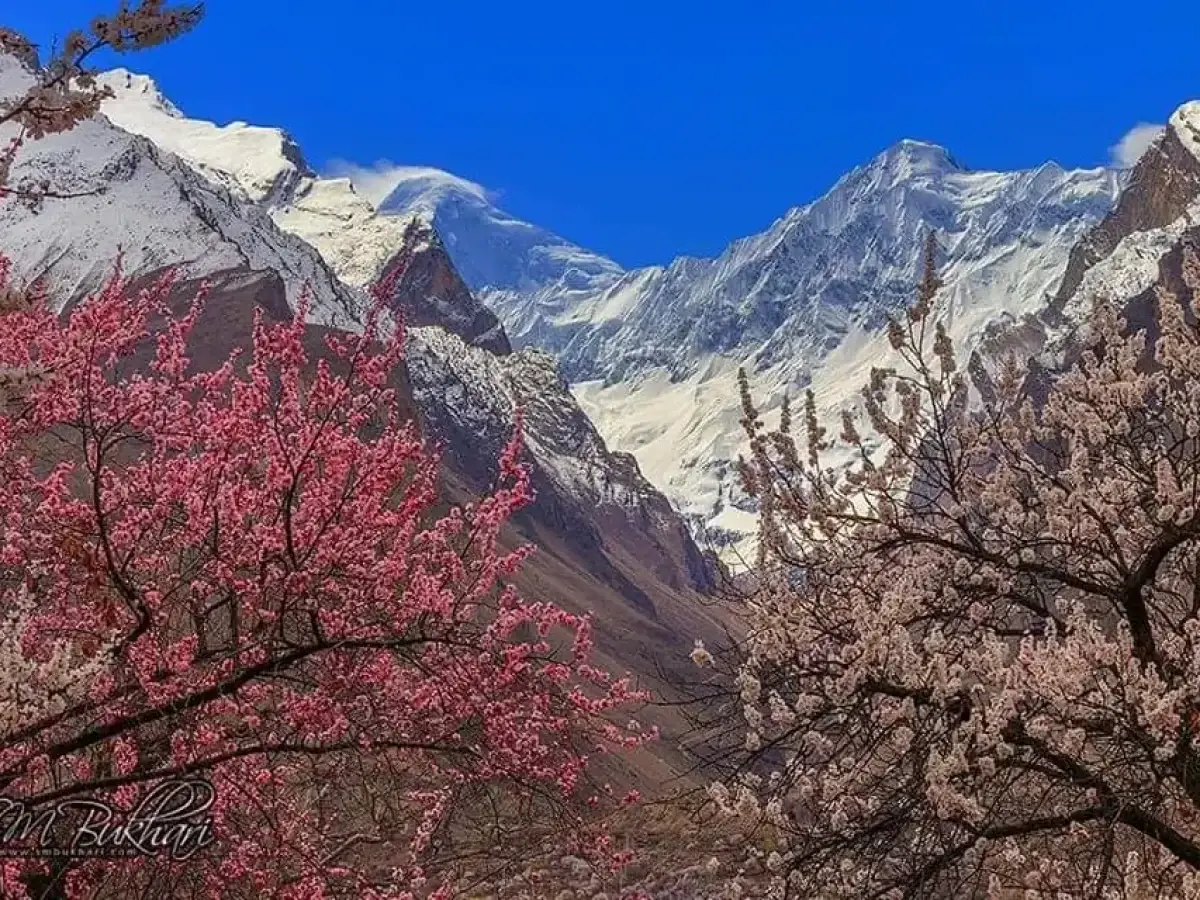
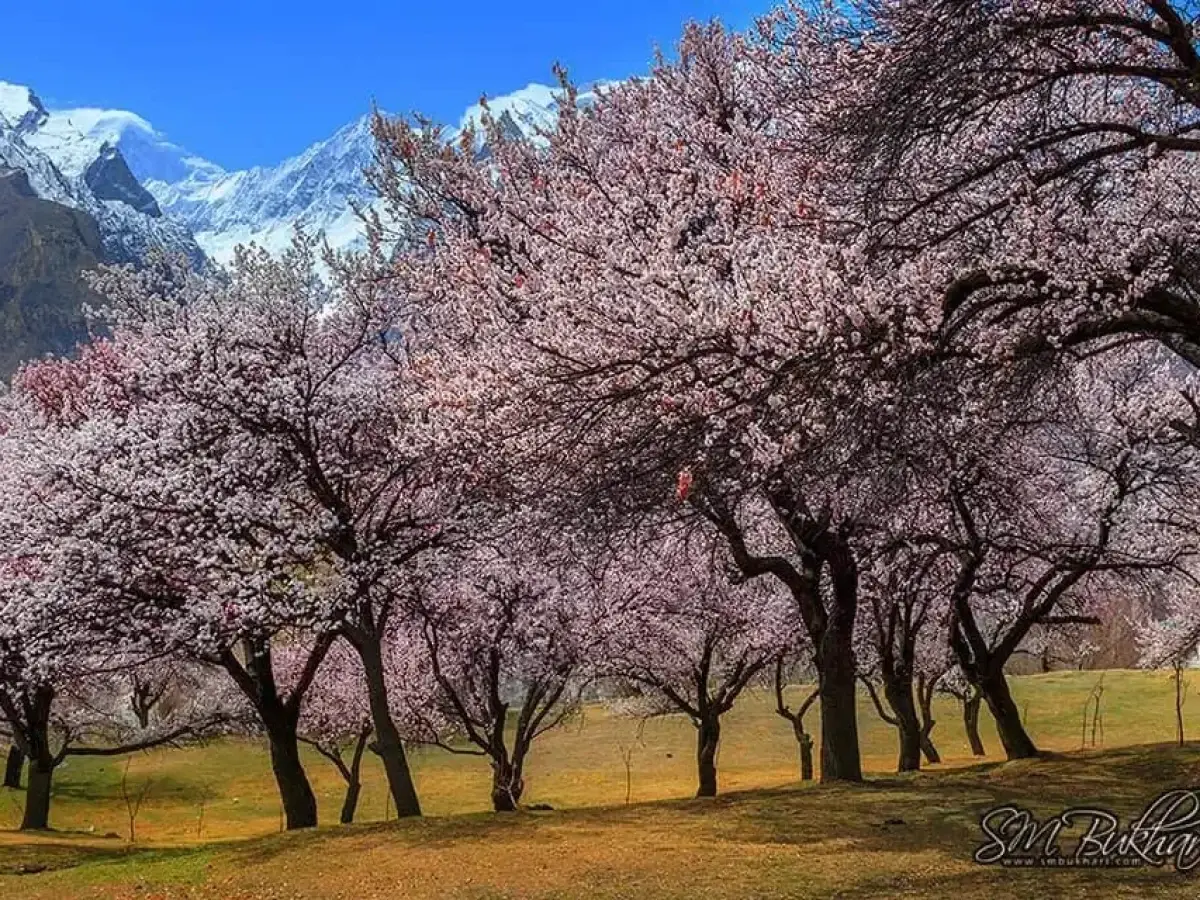
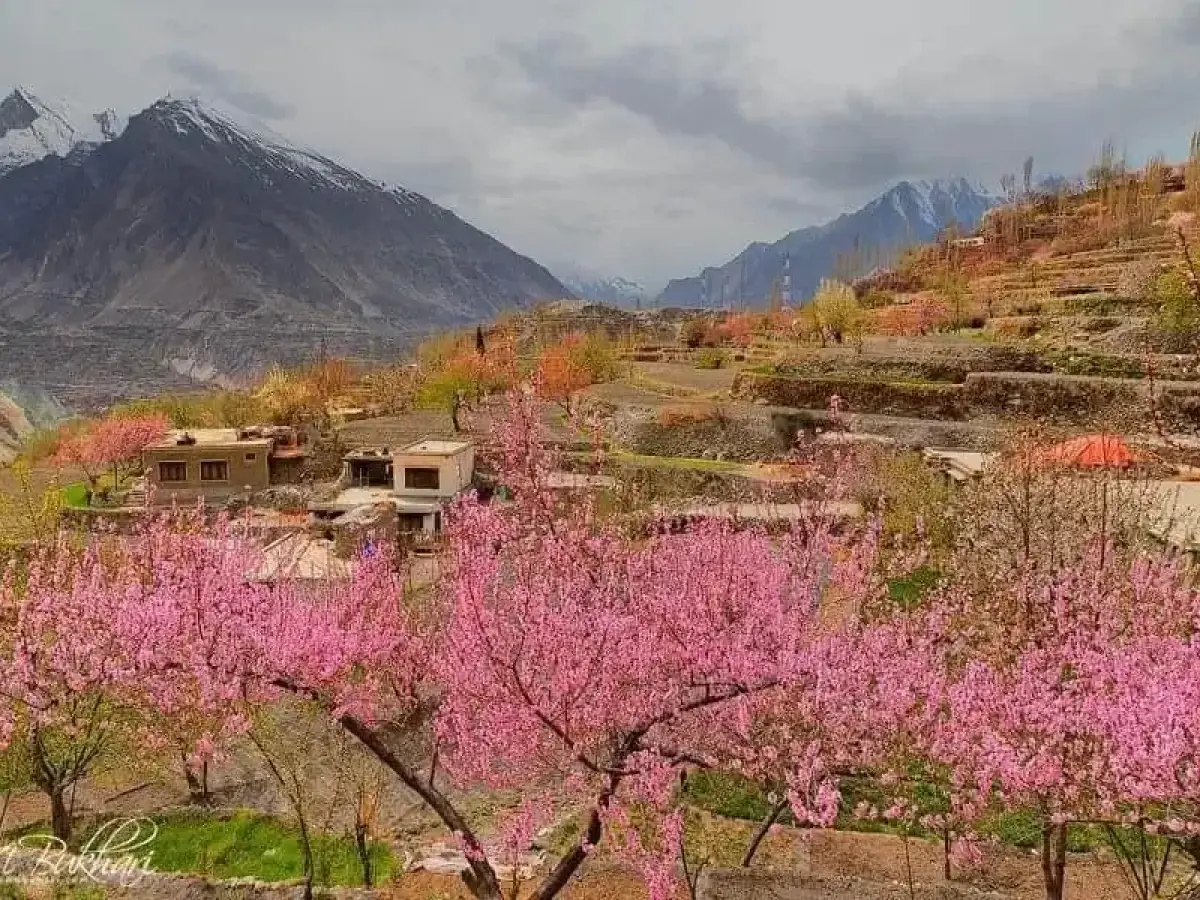
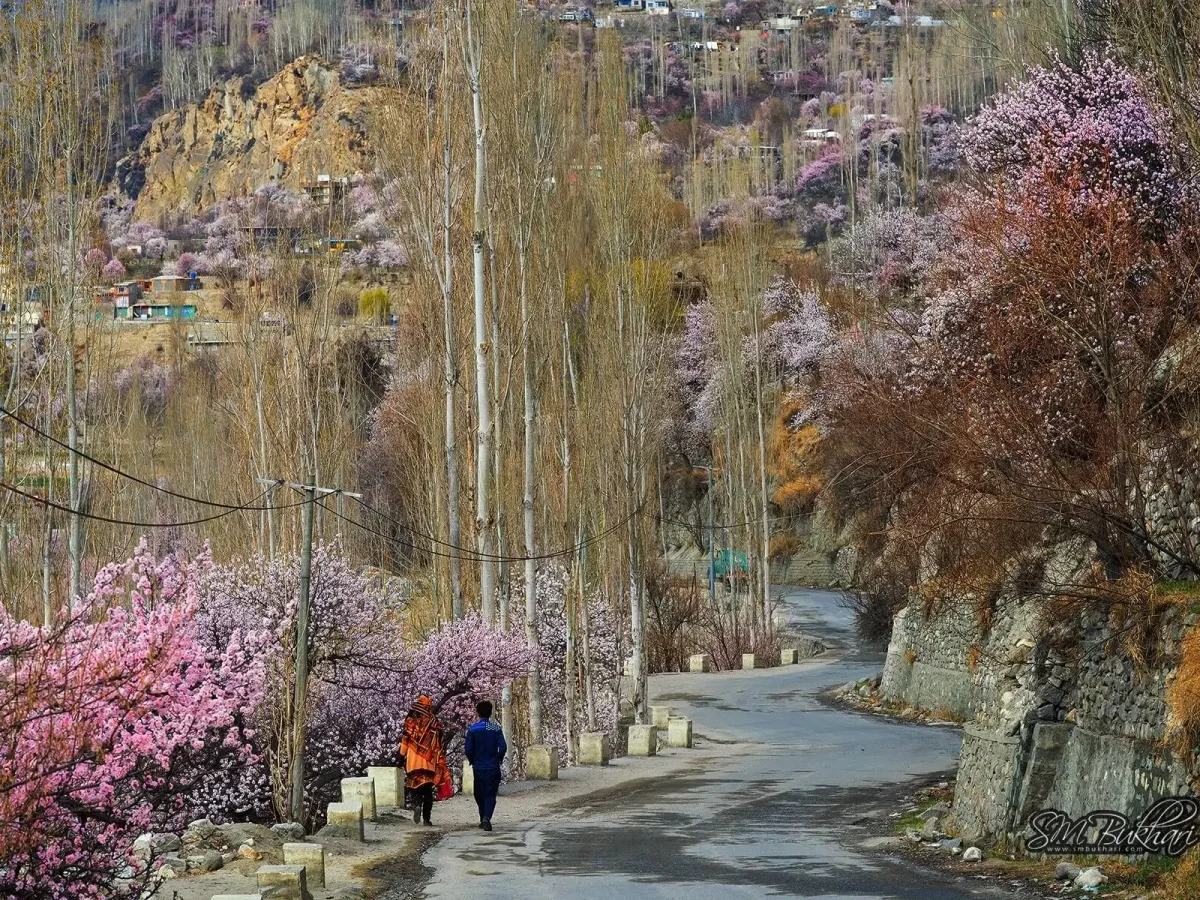
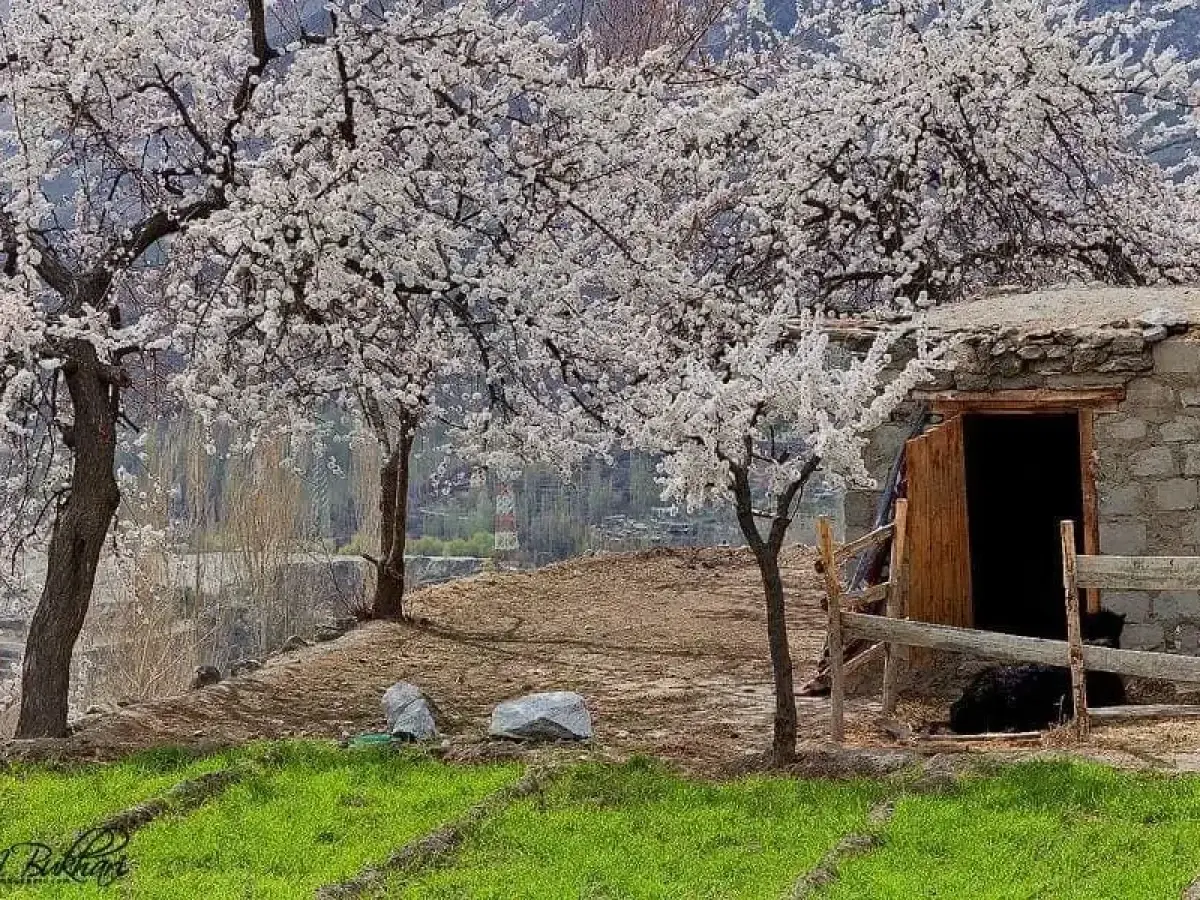
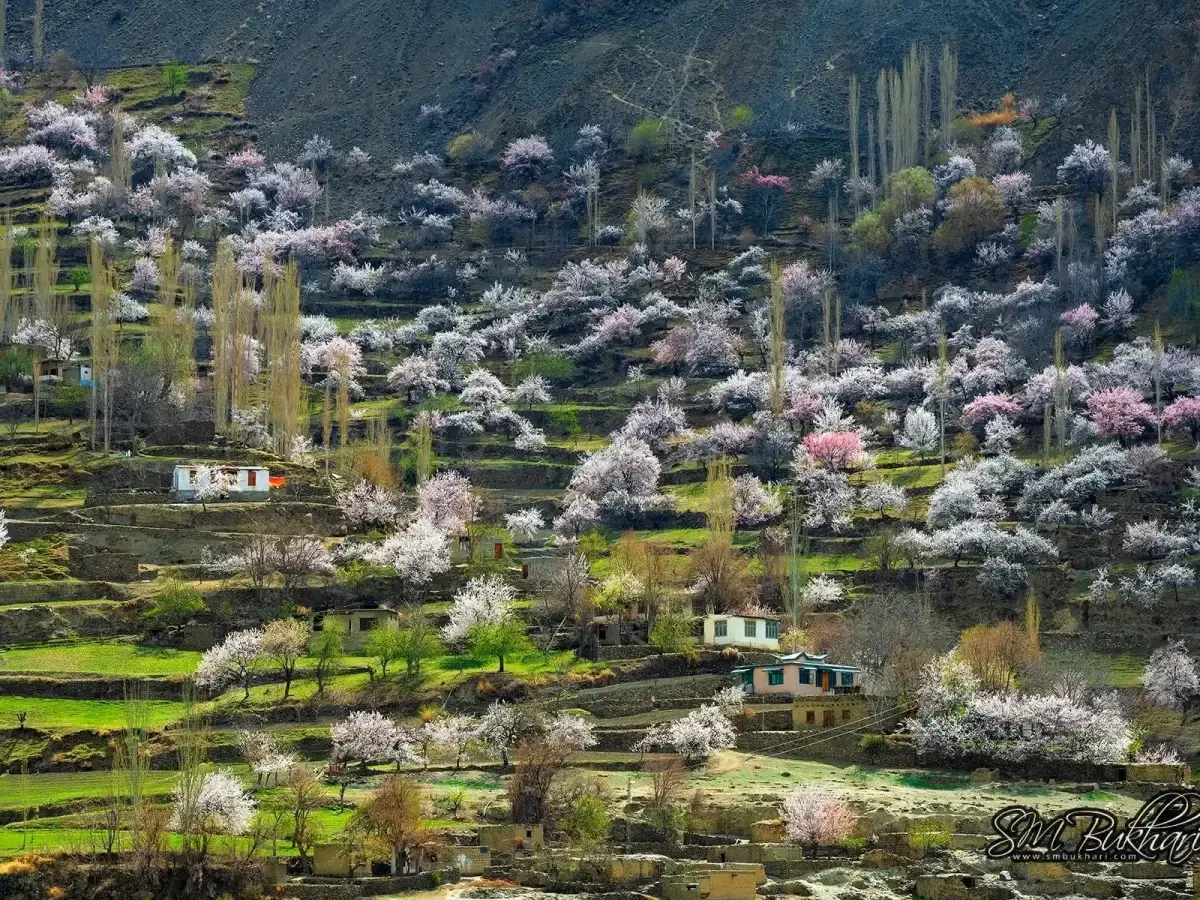
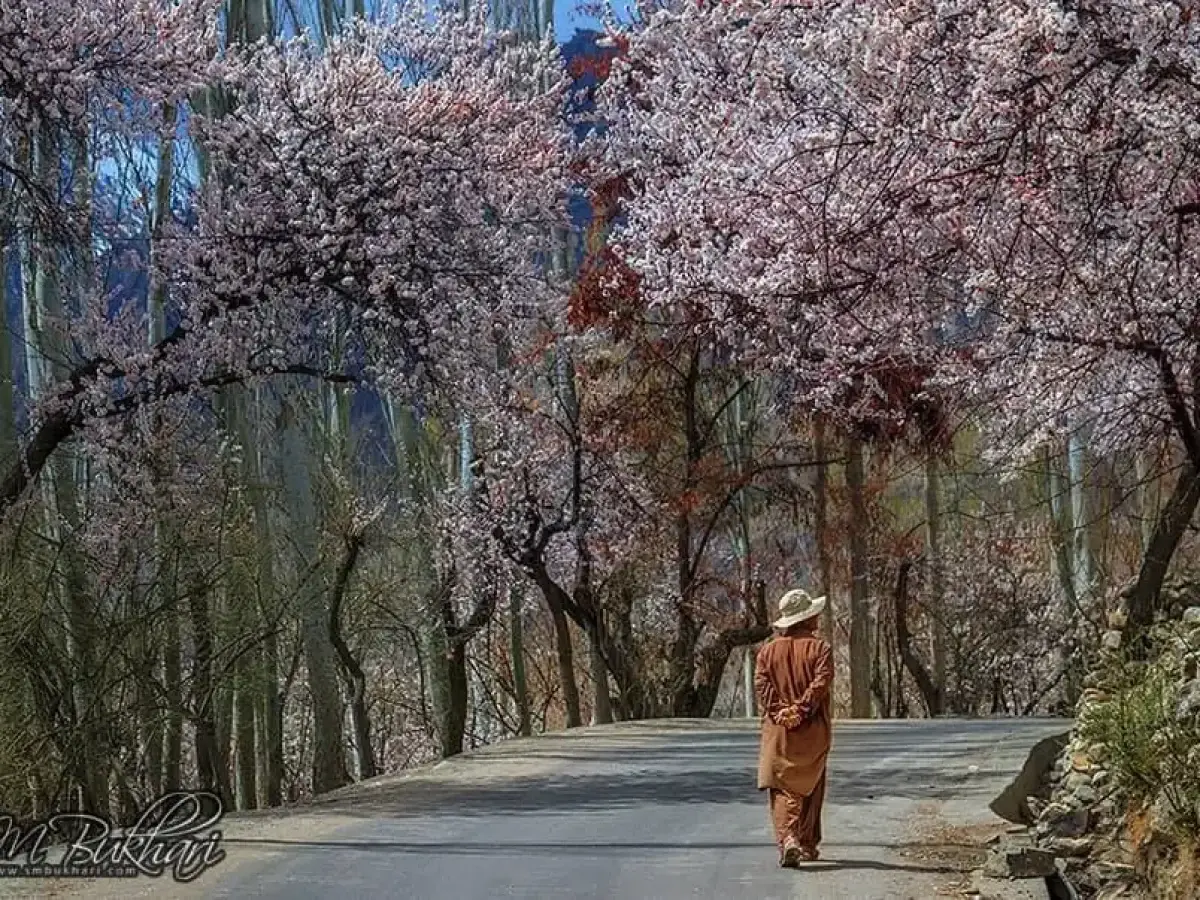
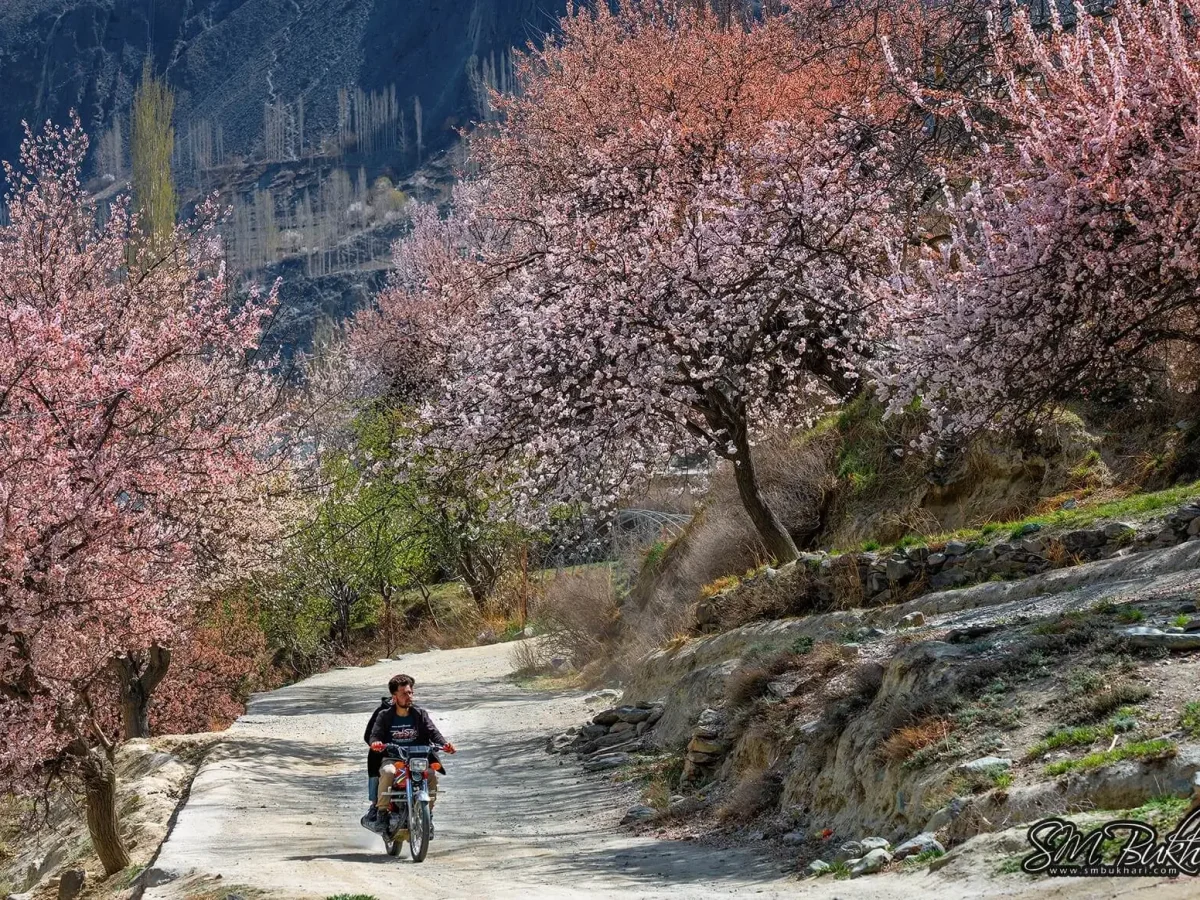
Blossom season with variable days and cold nights.
Wear: Layers, a warm mid-layer and a light rain shell.
Typical seasonal range
Typical day: 25 to 31°C
Typical night: 13 to 18°C
Warm valley days; evenings cool quickly.
Wear: Light clothes plus a jacket for evenings.
Typical seasonal range
Typical day: 10 to 26°C
Typical night: -2 to 13°C
Clearer days and sharper temperature drops after sunset.
Wear: Warm layers and a jacket for early and late hours.
Typical seasonal range
Typical day: 4 to 10°C
Typical night: -8 to 0°C
Cold, often dry conditions; snow and route changes are possible.
Wear: Insulated outer layer, warm base layers, gloves and a hat.
The destination in detail
Travel further
Driver-led travel
Common questions
Yes. We shape transport, pacing, stays and local coordination around your travel dates, group and preferred comfort level.
We confirm practical conditions for the season and the specific route. Mountain and regional travel can change quickly, so we build sensible flexibility into the plan.
Often, yes. The right combination depends on travel time, road logic and how much time you want to spend in each place.
Private Pakistan travel
Tell us your preferred pace, interests and travel window. We will help connect the right destinations, private transport and locally informed route planning.