

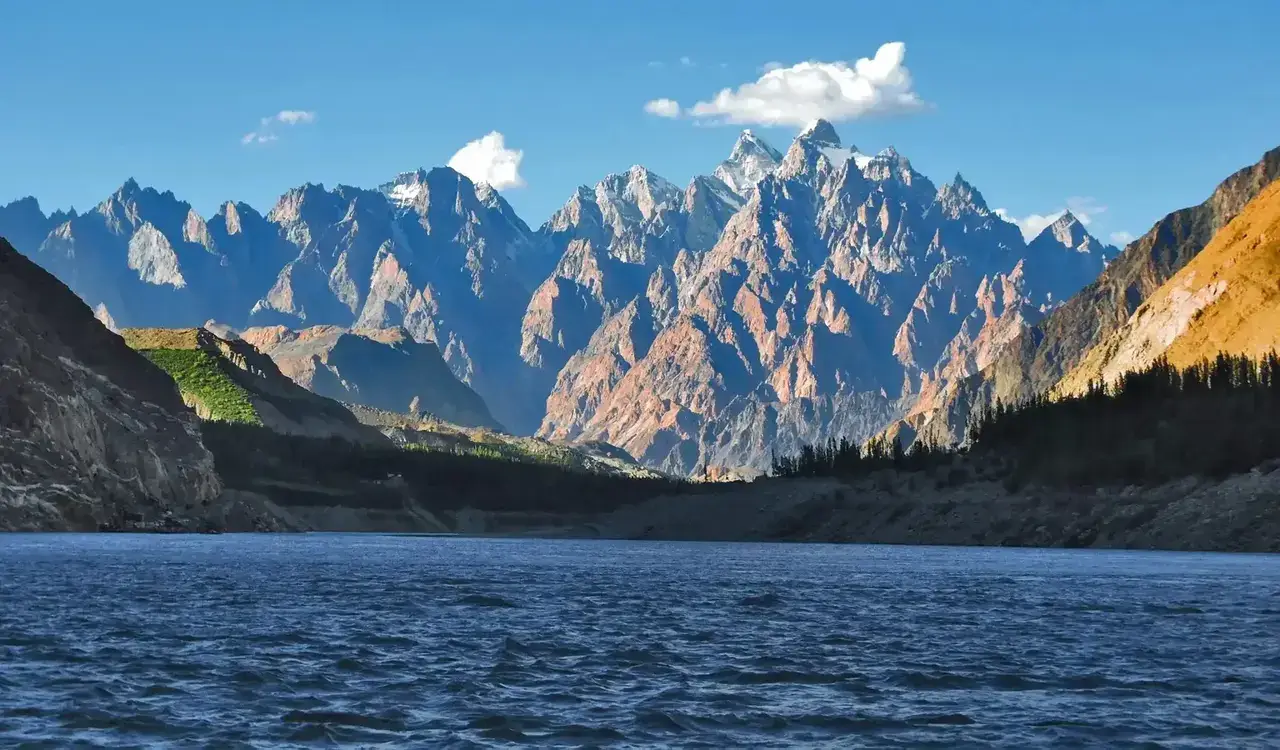

Hunza is not a single viewpoint or a one-day sightseeing stop. It is a long mountain district in Gilgit-Baltistan shaped by old settlements, irrigated terraces, glaciers and the Karakoram Highway. For a first visit, four to five days gives most travellers enough time to understand Central Hunza and Upper Hunza without turning the trip into a race between photo stops.
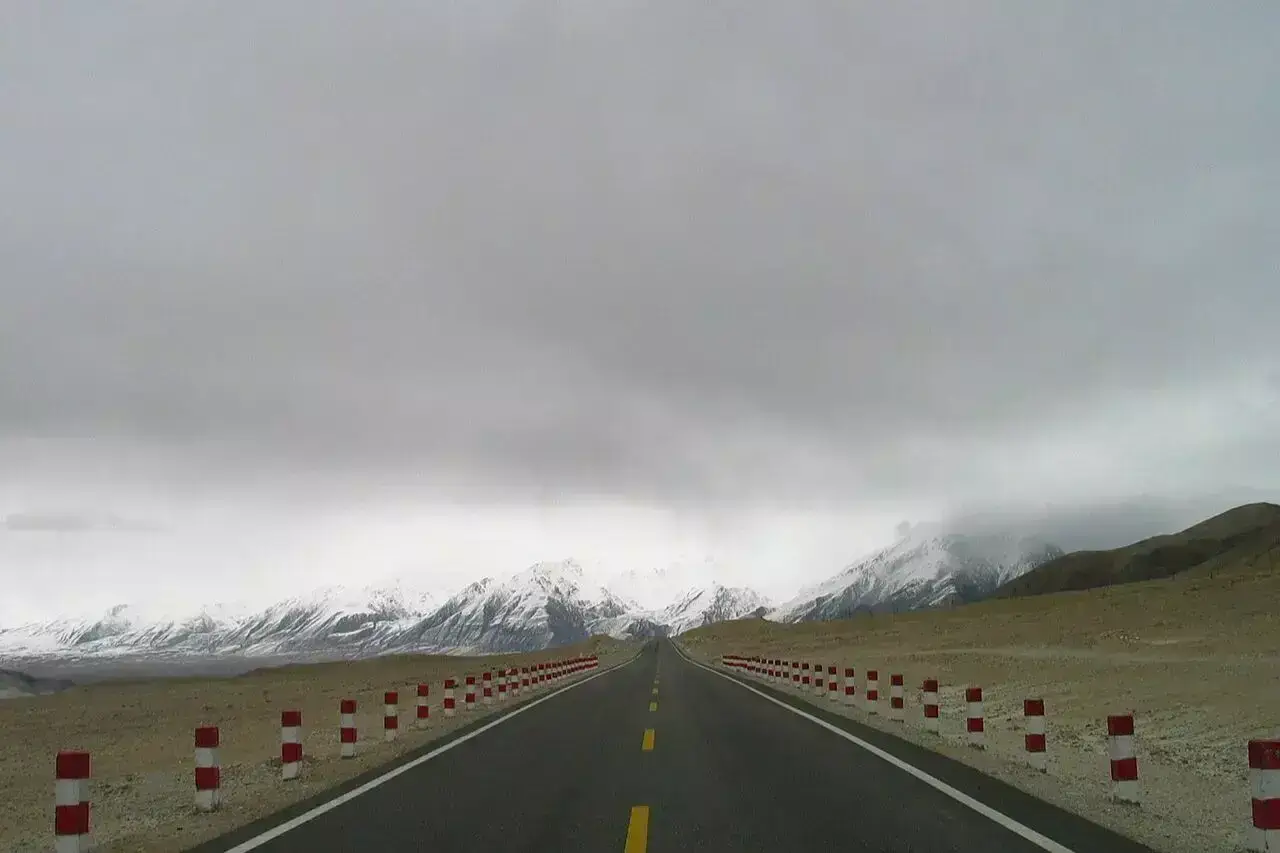
For travellers planning their first journey, the most useful way to think about Hunza is in two parts: Central Hunza, around Karimabad, Altit, Baltit and Duikar; and Upper Hunza (Gojal), where Attabad Lake, Gulmit, Hussaini, Passu, Borith, Sost and the road towards Khunjerab are found. They are close enough to combine, but different enough that both deserve time.
Hunza at a glance
- Best for: mountain scenery, living culture, heritage, photography, road journeys and accessible day walks
- Good first-trip length: 4–5 days; longer if you want hikes, village time or side valleys
- Main bases: Karimabad/Central Hunza and Gulmit or Passu/Upper Hunza
- Local languages: Burushaski and Shina in parts of Central Hunza; Wakhi is widely spoken in Upper Hunza
- Signature places: Baltit Fort, Altit, Duikar, Attabad Lake, Gulmit, Hussaini, Passu and the upper Karakoram Highway
- Travel style: best explored privately or at an unhurried pace rather than as a checklist of roadside stops
Where is Hunza Valley?
Hunza lies in northern Gilgit-Baltistan along the Karakoram Highway. The district stretches north towards the Pakistan–China frontier and contains very different landscapes and communities within a relatively narrow mountain corridor. Karimabad is the best-known visitor centre, but limiting a trip to Karimabad alone means missing much of what makes Hunza interesting.
The Government of Gilgit-Baltistan lists Altit and Baltit forts, Attabad Lake, Duikar, Passu, Gulmit, Borith Lake, Passu Glacier, Misgar and Khunjerab among the district’s important visitor places. That range is a useful reminder: Hunza is as much about villages, history and human settlement as it is about high mountains.
Central Hunza: heritage, villages and the classic valley views
Central Hunza is where we normally suggest first-time visitors begin. Karimabad gives easy access to Baltit Fort, Altit, Ganish and Duikar, while the surrounding terraces and settlements make it possible to understand how communities have lived in this steep landscape.
Karimabad and Baltit Fort
Karimabad is the historic heart of the visitor experience. Its lanes climb towards Baltit Fort, which occupies a commanding position above the settlement. The fort is not simply a scenic building: its location reflects Hunza’s historical relationship with trade routes across the Karakoram. Baltit Fort has been on Pakistan’s UNESCO World Heritage Tentative List since 2004.
Allow enough time to visit the fort properly and walk through Karimabad rather than arriving only for a photograph. The changing view across the valley, orchards and surrounding peaks is part of the experience.
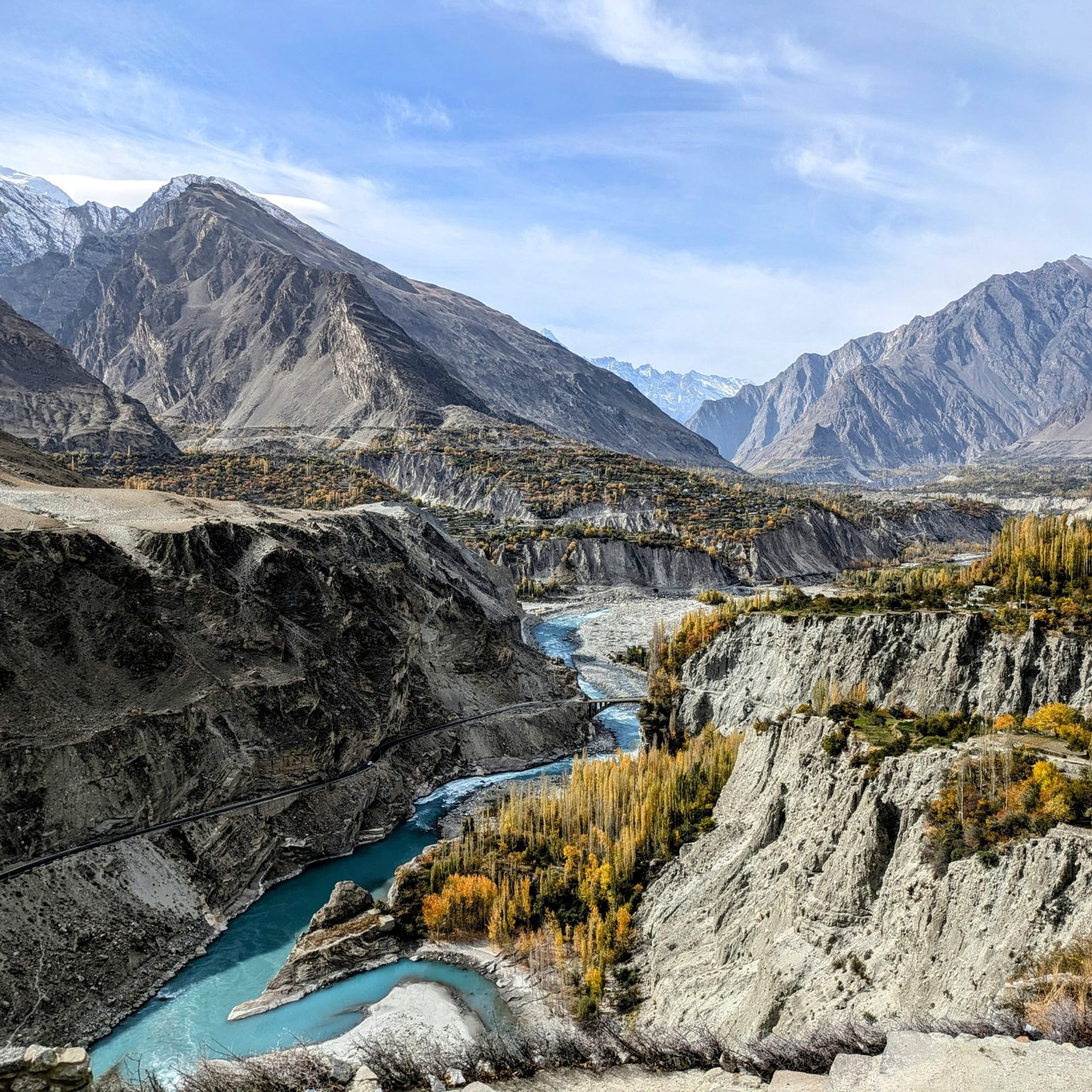
Hunza Valley from the Baltit Fort area. Real photograph released under CC0 by Khalid Jawed / Wikimedia Commons.
Altit Fort and the old settlement
Altit sits only a short distance from Karimabad but has a different character. Its fort, old lanes and village setting make it worth visiting separately rather than treating it as an extension of Baltit. The Gilgit-Baltistan Tourism Department describes Altit Fort as one of the valley’s major historical landmarks and places it roughly two kilometres from Karimabad.
For travellers interested in architecture and everyday life, the walk through the settlement is often as memorable as the fort itself. This is also where slowing down matters: a private journey gives you room to walk, stop and talk rather than watching the village through a vehicle window.
Ganish
Ganish is one of Hunza’s old settlements and provides another perspective on the valley’s built heritage. It is particularly useful for travellers who want to understand Hunza beyond its two famous forts. Historic lanes, traditional structures and the settlement’s position near the old route help connect the landscape with the people who have lived and traded here.
Duikar and Eagle’s Nest
Duikar sits above the main settlements and is one of the most useful viewpoints for understanding the geography of Central Hunza. Sunrise and sunset are popular, but clear weather matters more than simply arriving at a fashionable hour. On a good day, the broad view helps put Karimabad, the river corridor and the surrounding mountains into perspective.
Upper Hunza (Gojal): Attabad, Gulmit, Hussaini and Passu
North of Central Hunza, the journey changes noticeably. The road follows Attabad Lake before continuing through Gojal towards Gulmit, Hussaini and Passu. This section is visually dramatic, but it is also where rushed itineraries often make their biggest mistake: trying to see everything between Attabad and Passu in a few hours.
Attabad Lake
Attabad Lake is now one of Hunza’s most recognisable sights. The lake occupies a narrow mountain corridor and is encountered naturally while travelling towards Upper Hunza. Boating and other water activities are available seasonally, but you do not have to turn the stop into an activity session; the changing perspectives along the road are often just as rewarding.
Gulmit
Gulmit deserves more attention than it receives on many itineraries. It works well as a base for Upper Hunza and gives travellers an opportunity to experience Gojal as a lived-in region rather than only a series of roadside landmarks. If your schedule allows, spend time walking in the village instead of moving immediately to the next attraction.
Hussaini
Hussaini is known internationally for its suspension bridge, but the village sits within a much richer Upper Hunza landscape. Treat the bridge with care and follow local guidance; it is not simply an adventure prop. The surrounding river, terraces and mountain views make the stop worthwhile even for travellers who do not wish to cross.
Passu
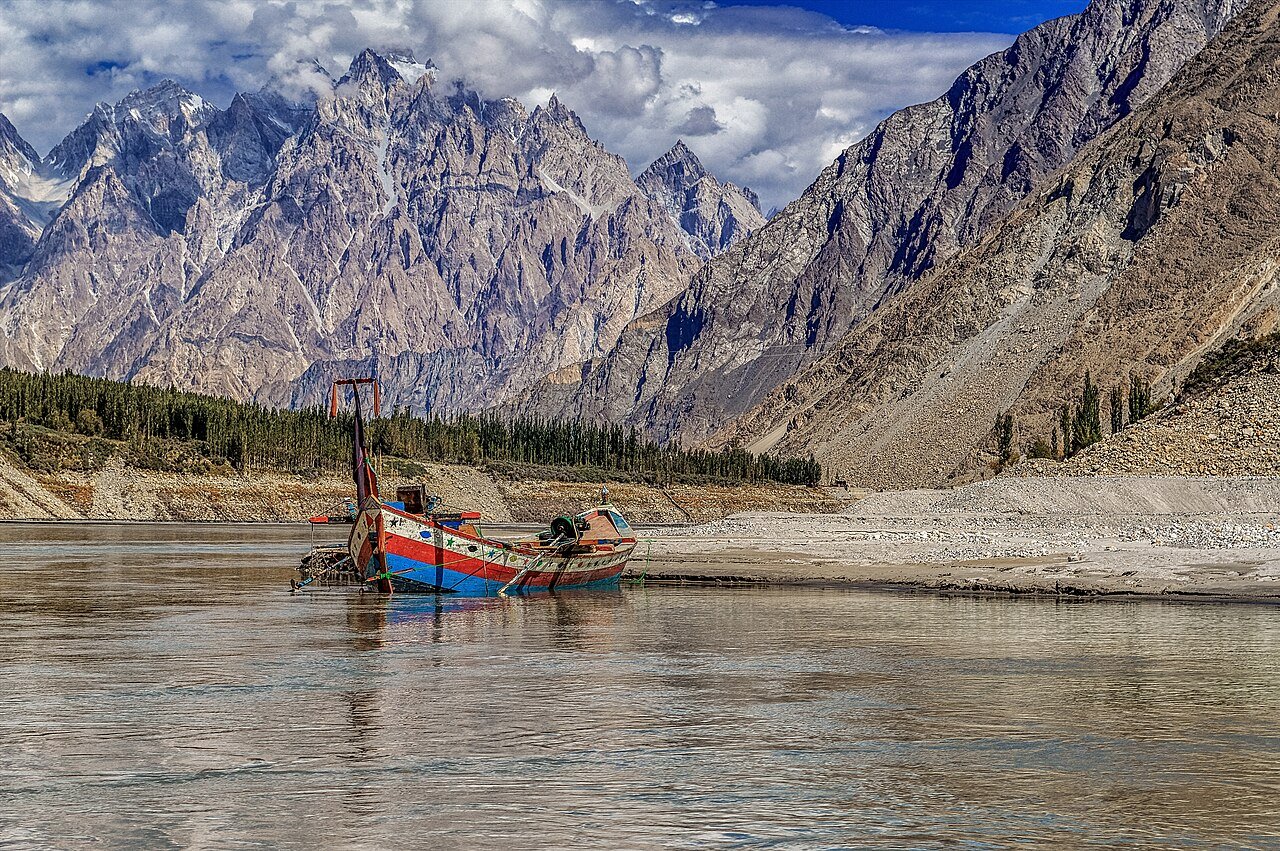
Passu is one of the places where the Karakoram feels especially close. The distinctive Passu Cones rise above the village and are visible directly from the highway, while nearby glacier landscapes and village walks reward travellers who have more time. The GB Tourism Department notes that the cones stand above Passu Village in Upper Hunza and can be seen without trekking.
Passu is particularly good for travellers who enjoy photography, short walks and a quieter mountain base. Staying overnight also changes the experience: early morning and evening are very different from arriving in the middle of a busy sightseeing day.
Borith Lake and nearby walks
Borith provides a useful change of pace from highway sightseeing. Depending on your interests and conditions, the area can be combined with village walks and approaches towards nearby glacier landscapes. This is where itinerary design should respond to the traveller: a keen walker needs a different day from a family looking for a relaxed scenic outing.
Should you go to Khunjerab Pass?
Khunjerab is often treated as compulsory because it marks the high road towards the Pakistan–China border. It can be a memorable excursion, but it is also a long, high-altitude road day from the main visitor bases. We do not recommend adding it simply to tick a box.
If Khunjerab is important to you, allow the day for it and keep seasonal access, weather and altitude in mind. Conditions and access can change, so current information should be checked close to travel rather than relying on an old blog post. Travellers who prefer villages, walking or photography may sometimes get more from an additional day around Passu, Gulmit or another side valley.
When is the best time to visit Hunza?
There is no single best month for everyone. Hunza changes considerably through the year, and the right season depends on what you want to see.
| Period | What it is good for | What to keep in mind |
|---|---|---|
| Spring | Fruit blossom, fresh colour and photography | Bloom timing varies each year; higher areas may still be cold |
| Late spring–summer | Broadest access, longer days, walking and Upper Hunza | Peak travel periods can be busier |
| Autumn | Gold and red foliage, clear mountain photography, harvest atmosphere | Colour timing varies by elevation and year |
| Winter | Quiet settlements and a very different local atmosphere | Cold temperatures and reduced access make planning more important |
Local planning note: do not book a blossom or autumn journey around a promise that nature will peak on one exact date. Elevation, temperature and weather shift the timing. A well-designed seasonal trip follows the landscape rather than forcing it into a calendar prediction. For a longer seasonal route, see our Hunza & Baltistan autumn journey.
How many days do you need in Hunza?
Four to five days is a sensible first visit. Three days can cover the main highlights, but it usually means choosing carefully. Six or seven days gives room for slower village time, short walks, Nagar/Hopper or less-rushed Upper Hunza exploration.
A 3-day first visit
Use one day for Central Hunza heritage and Duikar, one for Attabad–Gulmit–Hussaini–Passu, and keep the third for either deeper Upper Hunza exploration or the journey in/out. It works, but there is little room for delays or spontaneous stops.
A 5-day first visit
This is our preferred balance for many travellers. It allows Central Hunza, Upper Hunza, a slower day around Passu/Gulmit and either Nagar/Hopper or another interest-led excursion. It also makes the journey feel less like a transfer between landmarks.
A week or longer
Seven days starts to make sense for walkers, photographers, repeat visitors and travellers interested in side valleys or community life. Hunza rewards extra time more than an overfilled itinerary does.
Hunza or Skardu — or both?
Hunza and Skardu are often grouped together because both sit in Gilgit-Baltistan, but they do not feel interchangeable. Hunza’s classic journey follows a relatively continuous valley and highway corridor, with forts, villages, glaciers and Upper Hunza linked naturally along the route. Baltistan spreads its major experiences across different directions from Skardu.
If you have enough time, combining them creates a much stronger northern Pakistan journey. If your schedule is short, choosing one and exploring it properly is often better than spending too much of the trip in transit. Read our Hunza vs Skardu comparison before deciding.
Culture, language and everyday life
Hunza should not be described as if it has one uniform culture. The district includes different communities and linguistic traditions. Burushaski and Shina are spoken in parts of Central Hunza, while Wakhi is widely associated with Upper Hunza. Urdu is broadly understood, and English is common in many tourism settings.
Visitors are guests in functioning communities. Dress respectfully, ask before taking close photographs of people, and remember that homes, fields and village lanes are not staged attractions. A little patience and curiosity usually creates a better cultural experience than trying to collect as many stops as possible.
What should you eat in Hunza?
Food is one of the easiest ways to understand the valley beyond its scenery. Depending on season and household or restaurant, you may encounter local breads, chapshuro, dairy-based dishes, apricots, mulberries and other fruit products. Availability varies, and menus in tourist centres are not the same thing as everyday home cooking.
Rather than promising a fixed list of dishes everywhere, ask what is genuinely local and available that day. Seasonal fruit—especially apricots—is part of Hunza’s agricultural identity, something also noted by the Gilgit-Baltistan Tourism Department.
Walking and trekking in Hunza
You do not need to be a mountaineer to enjoy Hunza on foot. Village walks, viewpoints and short hikes can be built into a private itinerary, while more serious routes require proper planning, equipment and local guidance.
The important distinction is between sightseeing with short walks and an actual trekking itinerary. Do not add a glacier or high trail simply because it appears close on a map. Terrain, altitude, weather and route conditions matter. For dedicated walking journeys, see our Pakistan treks and day hikes.
Is Hunza suitable for families?
Yes, with sensible pacing. Many of Hunza’s best-known experiences can be reached by road with relatively short walks. Families usually benefit from fewer stops, comfortable driving days and time for children to enjoy a place rather than repeatedly getting in and out of a vehicle.
High-altitude excursions deserve additional care, particularly with young children or anyone who has not acclimatised. A family trip does not need to include every high point to be a successful Hunza journey.
Where should you stay?
For a first visit, staying in or around Karimabad is convenient for Central Hunza’s heritage sites, restaurants and viewpoints. In Upper Hunza, Gulmit and Passu are useful bases if you want more than a day trip.
Splitting your stay between Central and Upper Hunza can reduce backtracking and gives each part of the valley its own rhythm. Travellers who prefer one hotel can still explore Upper Hunza as a long day, but the experience is less relaxed.
Getting to Hunza
Most international journeys begin through Islamabad. Hunza is reached overland via the Karakoram Highway, often through Gilgit. Domestic flights to Gilgit can shorten the road component when they operate, but mountain weather can affect flight schedules, so itineraries should retain some flexibility.
Road times in northern Pakistan should always be treated as estimates rather than promises. Traffic, construction, weather and stops can change a day’s timing. Good planning leaves enough margin that a delay does not unravel the rest of the journey.
Common mistakes when planning Hunza
- Treating Hunza as one town. Central and Upper Hunza deserve separate time.
- Trying to see Attabad, Hussaini, Passu and Khunjerab as quick photo stops. The road is part of the experience.
- Planning seasonal colour to an exact date. Blossom and autumn peaks move with weather and elevation.
- Adding high-altitude excursions without considering acclimatisation.
- Spending every day in the vehicle. Hunza makes more sense when you walk through its settlements.
- Assuming every internet-famous activity operates every day. Confirm seasonal activities and current conditions locally.
How we would plan a first Hunza journey
For most first-time visitors, we would build the trip around three ideas rather than a long attraction list: one unhurried Central Hunza heritage day, one Upper Hunza journey with meaningful time in the villages, and one flexible day shaped around the traveller’s interests. That third day might become Hopper and Nagar, a walk, photography, food and culture, or simply more time in Upper Hunza.
That approach leaves space for weather, conversation and the unexpected moments that are usually remembered long after the checklist has been forgotten.
Plan a private Hunza journey
Sylana Adventures is based in Hunza and designs private journeys around your dates, interests and preferred pace. Explore our private Hunza journeys, or tell us what you want from the trip through our Custom Pakistan Tour Planner.
Frequently asked questions about Hunza
What is Hunza most famous for?
Hunza is known for its Karakoram mountain scenery, historic settlements and forts, the Karakoram Highway, Attabad Lake and the villages and landscapes of Upper Hunza. Its cultural and linguistic diversity is just as important as its scenery.
Is four days enough for Hunza?
Four days is enough for a good first visit if the itinerary is focused. It can cover Central Hunza and the principal Upper Hunza corridor without excessive rushing. Five days is more comfortable.
Should I stay overnight in Upper Hunza?
If time allows, yes. Staying in Gulmit or Passu reduces backtracking and gives you early morning and evening in Upper Hunza, when the villages feel very different from a midday sightseeing stop.
When is Hunza green?
Late spring and summer generally bring greener landscapes, while spring is associated with blossom and autumn with changing foliage. Exact seasonal timing varies each year.
Can I visit Hunza in winter?
Yes, but winter is a different kind of trip. Expect cold temperatures, shorter days and possible limitations on high-altitude or side-road access. It suits travellers interested in quiet settlements and winter landscapes more than a conventional highlights itinerary.
Is Hunza good for photography?
Very much so. Central Hunza offers layered village-and-mountain views, while Upper Hunza adds lakes, glaciers, dramatic rock forms and highway landscapes. Spring blossom and autumn foliage create particularly distinctive seasonal photography.
Do I need a guide in Hunza?
Not for every roadside attraction. A knowledgeable local guide becomes much more valuable when you want historical context, village interpretation, cultural access, walking routes or a journey that goes beyond taking photographs at the main stops.
Can Hunza and Skardu be combined in one trip?
Yes. They combine well when you have enough days to account for the road journey between the regions. For a short trip, however, exploring one region properly is usually more rewarding than squeezing both into an overly compressed schedule.
Editorial note: This guide is written for practical trip planning and is reviewed against current destination information. Road access, weather, border-area procedures and seasonal activities can change; verify time-sensitive details close to travel.
0 Comment