

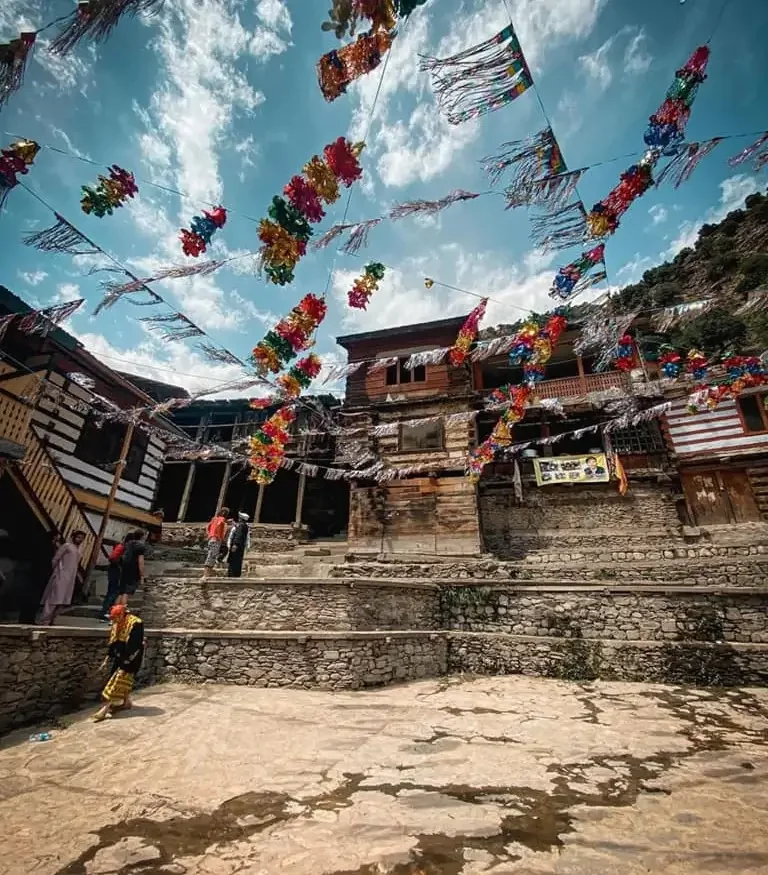
Route summary
Islamabad – Swat – Lowari Tunnel – Chitral – Ayun – Birir Valley – Chitral – Swat – Islamabad
Journey highlights
- Visit Birir Valley for its distinctive Phool (Pul/Phoo) autumn festival
- Learn how the grape and walnut harvest is governed by community traditions
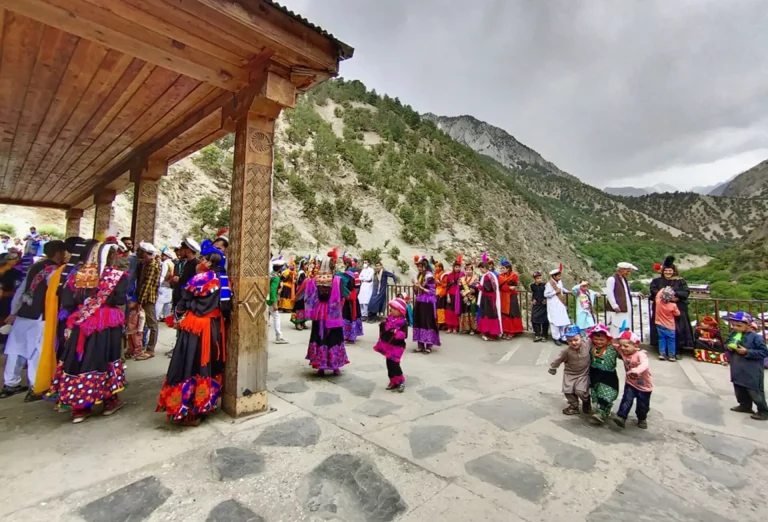
- Attend public village celebrations where welcomed by local hosts
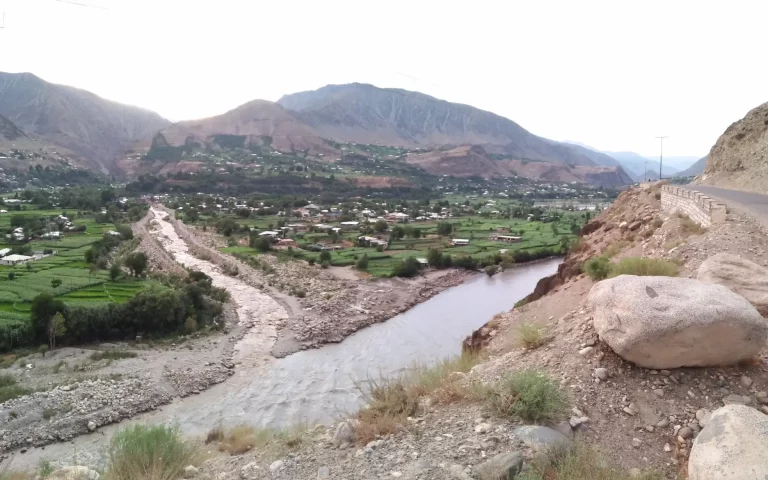
- Explore the cultural landscapes of Chitral and the Hindu Kush
- Travel privately via Swat and the Lowari Tunnel
- Two nights near Birir with flexibility for changing festival dates
- Consent-based photography and locally informed cultural interpretation
Day-by-day itinerary
Arrive in Islamabad
Arrive at Islamabad International Airport and meet your private driver for the hotel transfer. After checking in, enjoy a relaxed afternoon or evening depending on your flight time. Your coordinator introduces the journey and explains why the Birir festival schedule is confirmed locally rather than advertised as a fixed annual date. Rest well before the road journey north. Overnight in Islamabad.
Islamabad to Swat Valley
Travel north through the Malakand region toward Swat, pausing for meals and viewpoints where traffic and daylight allow. The drive is broken into manageable stages rather than rushing all the way to Chitral. Arrive at your hotel with time to settle in, enjoy the mountain scenery and review the next day's road conditions with your guide. Overnight in Swat.
Swat to Chitral via Lowari Tunnel
Continue toward Dir and through the Lowari Tunnel into Chitral, passing rugged valleys and mountain settlements along the way. On arrival, check into your hotel and meet your local cultural coordinator. Reconfirm the Phool date, Birir road conditions and whether the planned public gathering locations will be accessible to visitors. The evening is free to rest. Overnight in Chitral.
Chitral to Birir Valley
Drive south toward Ayun and follow the separate road into Birir, using a suitable local jeep where necessary. Check into a small guesthouse if confirmed, or use the agreed alternative base. Take a gentle guided walk in publicly accessible village areas to understand the harvest setting. Depending on the community's actual schedule, this day can serve as the first festival window. Overnight near Birir.
Phool Festival and the Harvest of Grapes and Walnuts
Spend the day in Birir for the community-confirmed public Phool celebrations. The festival marks the end of restrictions on harvesting grapes and walnuts and may include music, group dancing and gatherings in villages such as Bihal and Gree. Follow your local host's guidance on access and photography, never picking fruit without permission. The day's exact sequence is determined locally. Overnight near Birir.
Birir to Chitral, Flexible Cultural Morning
Enjoy a quiet morning in Birir or attend a rescheduled public gathering if the festival timing has shifted. Then travel back through Ayun to Chitral, with stops only where road and weather conditions allow. Spend the afternoon visiting a local market or accessible heritage landmark according to opening arrangements. This flexibility makes the itinerary more reliable than a single-day festival excursion. Overnight in Chitral.
Chitral to Swat
Begin the return road journey through the Lowari Tunnel and Dir toward Swat. Pause for meals and photographs at safe roadside stops, allowing additional time for mountain traffic or roadworks. After reaching your hotel, relax and reflect on the distinctive autumn traditions of Birir and the wider Chitral region. This separate road stage avoids an unnecessarily exhausting return to Islamabad. Overnight in Swat.
Swat to Islamabad
Drive south from Swat to Islamabad with suitable breaks, arriving in the capital later in the day depending on traffic. The final night provides a useful buffer after the mountain roads before an international departure. Enjoy a free evening or an optional short city visit if timing permits, and confirm the airport transfer arrangements with your driver. Overnight in Islamabad.
Departure from Islamabad
Transfer privately from your hotel to Islamabad International Airport in time for your onward flight. Your journey ends with an understanding of how Birir's harvest traditions connect agriculture, community rules and seasonal celebration. Travellers who want a longer cultural journey can add time in Chitral or elsewhere in Pakistan, subject to a customized itinerary and quotation.
Accommodation and comfort
Eight nights: Islamabad 2, Swat 2, Chitral 2, Birir area 2. Birir has very limited guesthouses and facilities; if appropriate rooms cannot be confirmed, accommodation may be arranged in Ayun or Chitral with revised driving plans.
Private transport and local coordination
Private air-conditioned vehicle on the Islamabad–Swat–Chitral road route, plus a suitable local high-clearance vehicle or jeep for the approach to Birir. Road quality, seasonal weather, roadworks and checkpost procedures may affect travel times.
Who this journey is for
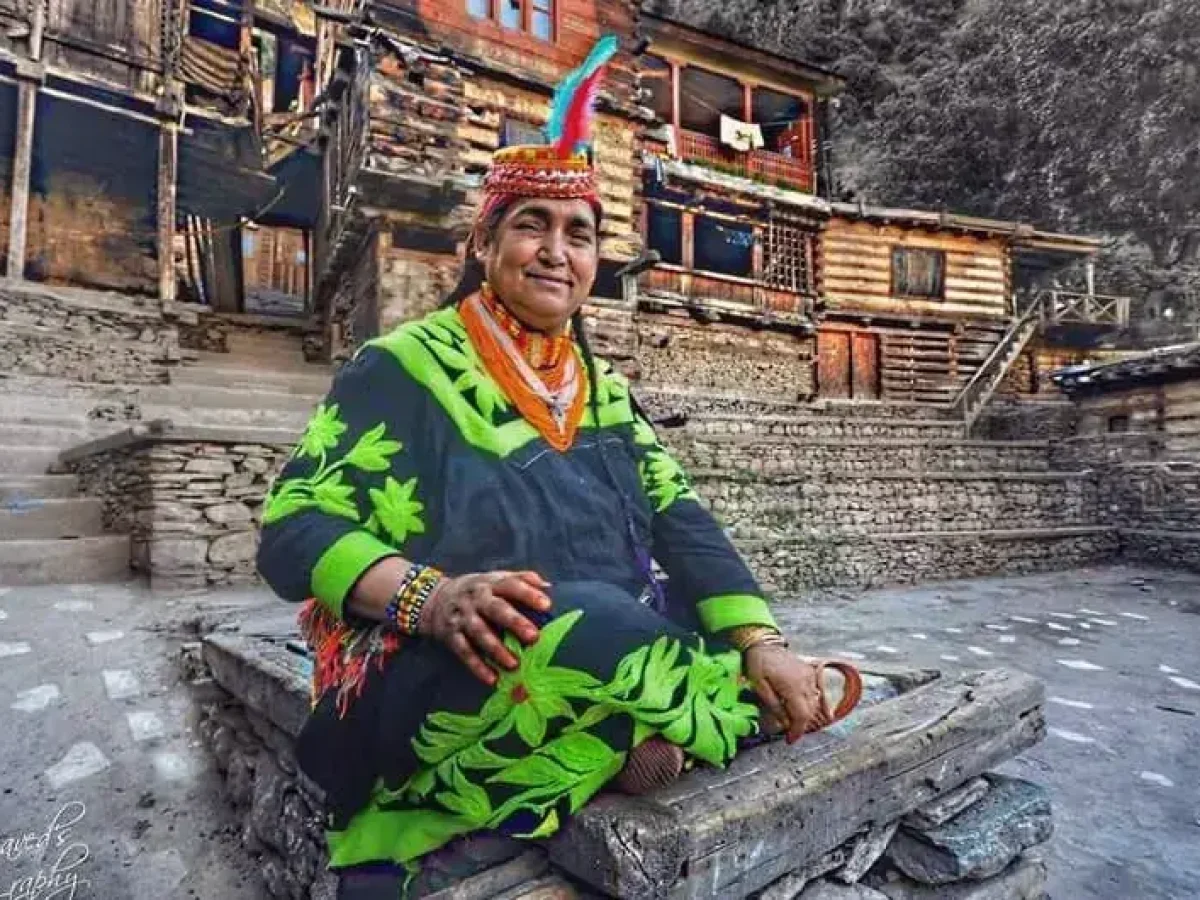
Culturally curious private travellers, responsible photographers, heritage enthusiasts and small groups interested in lesser-visited Kalasha autumn traditions.
What we usually arrange
- Private itinerary and festival-date coordination
- Private road transport and suitable local jeep
- Selected hotel and guesthouse reservations subject to availability
- Locally informed guide where available
- Islamabad airport arrival and departure transfers
- Written quotation confirming meals, entries and inclusions
What you can customize
- Festival timing and Birir overnight arrangements are finalized only after the local program and room availability are confirmed. Optional extra days in Chitral or Bumburet may be added, but Phool itself is a Birir festival and is not represented as taking place in Bumburet or Rumbur.
Important travel notes
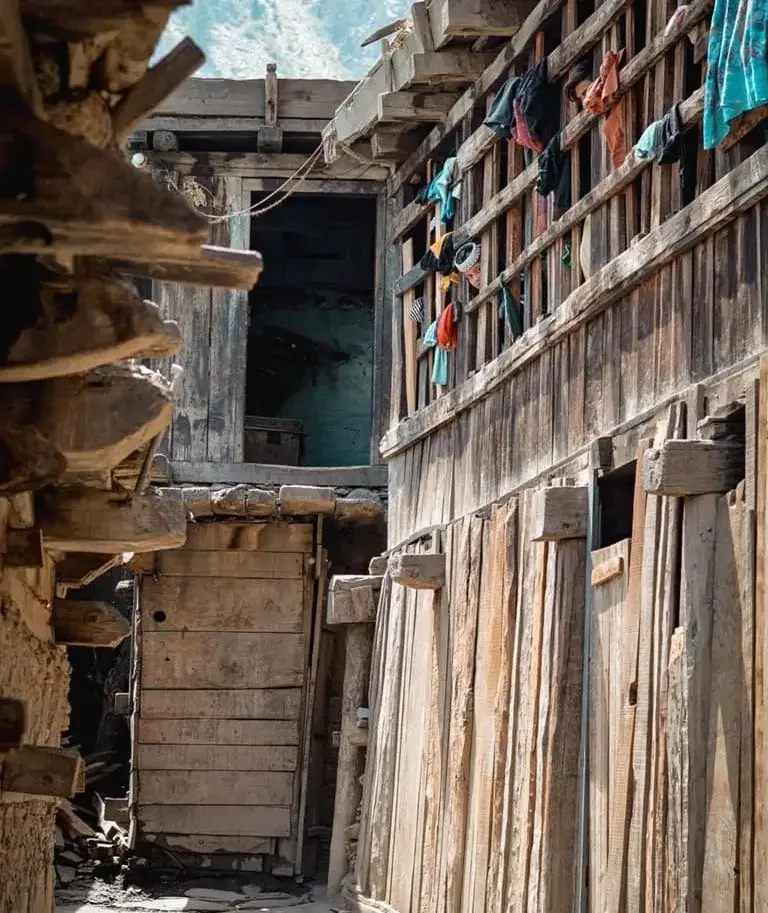
Phool (also Pul/Phoo) is an autumn grape-and-walnut harvest festival specific to Birir Valley. It is usually held around mid-October, but the actual date depends on harvest timing and local community decisions; do not guarantee October 15 in any future year. Reports differ on whether celebrations span one or two days; this itinerary leaves a flexible window rather than promising a fixed-length program. Community harvest restrictions apply to visitors too: never pick grapes or walnuts before local permission. Some gatherings and religious spaces are private; ask before entering or photographing people, especially women and children. No drones without permission. Birir accommodation is scarce and road access can be difficult. Confirm visas, local registration, transport and community-host approval before booking. Gallery photographs show wider Kalash valley culture and scenery; they are not presented as documentary images of the Phool festival itself.
Frequently asked questions
When does the Kalash Phool festival take place?
Usually around mid-October, but the actual date depends on the harvest and local community decisions. Future dates are not guaranteed.
Is Phool celebrated in all three Kalash valleys?
No. Phool (Pul/Phoo) is specific to Birir Valley, although people from Bumburet and Rumbur may attend.
What does the festival celebrate?
It marks the start of the grape and walnut harvest after a community restriction on picking, along with the return of livestock from summer pastures.
Is it a one-day or two-day festival?
Reports vary by year and source. We confirm the local program and include a flexible visit window rather than promise a fixed duration.
Can tourists pick grapes or walnuts?
Not before the community lifts the seasonal restriction, which also applies to visitors. Always ask local hosts before picking any fruit.
Are public celebrations open to visitors?
Some public gatherings may welcome visitors, but access to private homes, sacred spaces and restricted rituals is never assumed.
Where do guests stay in Birir?
Birir has few guesthouses and limited facilities. We confirm suitable rooms early or arrange an alternative base in Ayun or Chitral.
Is a jeep necessary?
The approach road may be narrow and rough, so a suitable high-clearance vehicle or local jeep may be required.
Can we take photographs of the Kalasha community?
Ask for informed consent before photographing people and follow restrictions at ceremonies, homes and sacred places.
Is this a fixed-departure group tour?
No. This is a private, customizable journey arranged around locally confirmed Phool dates and availability.
Ready to shape this journey?
Share your preferred dates, group size and comfort level. Our team will prepare a private route and quotation around your travel style.